Headaches are one of the most common reasons people seek treatment at Bend + Mend Physiotherapy in Sydney. While many people assume headaches are simply caused by stress, dehydration, or lack of sleep, the reality is often more complex.
In our Sydney physiotherapy clinic, we regularly see headaches linked to neck stiffness, muscle tension, posture, jaw tension, desk work, and lifestyle habits that place strain on the body over time.
The good news is that many headaches respond very well to physiotherapy treatment and simple lifestyle changes once the underlying cause is identified.
If you experience frequent headaches, neck pain, or tension through the shoulders and jaw, understanding the source of your symptoms is the first step toward long-term relief.
1. Neck-Related Headaches (Cervicogenic Headaches)
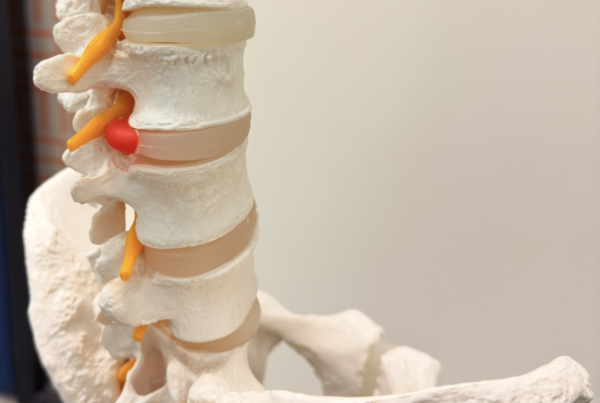
One of the most common headache types we treat in clinic is a cervicogenic headache. This means the headache originates from structures in the cervical spine (neck).
Research suggests approximately 4% of the general population experience cervicogenic headaches (Robinson et al., 2025).
People with neck-related headaches often describe:
- Pain starting at the base of the skull
- Tightness through the neck and shoulders
- Headaches on one side
- Pain worsening after desk work or prolonged sitting
- Reduced neck movement
- Headaches triggered by certain neck positions
Poor posture, prolonged computer use, and stiffness in the upper neck joints can all contribute to these symptoms.
In many cases, the muscles at the top of the neck become overloaded and sensitive, referring pain into the head, temples, or behind the eyes.
Physiotherapy Treatment for Neck-Related Headaches
 At Bend + Mend, treatment may include:
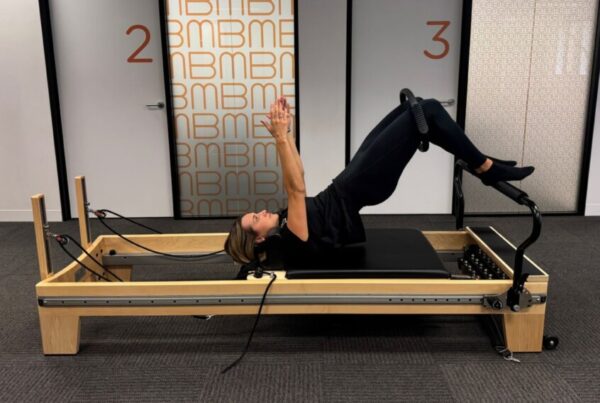
- Hands-on physiotherapy treatment
- Joint mobility work
- Neck and postural strengthening exercises
- Postural correction strategies
- Ergonomic advice for desk setup
- Education around movement habits
Many patients notice significant improvement once neck mobility and muscle tension are addressed.
2. Tension Headaches
Tension headaches are extremely common and are often linked to stress, muscle tightness, fatigue, and prolonged sitting.
Research estimates that 21–26% of the global population experience tension-type headaches (Bini et al., 2023).
These headaches are commonly described as:
- A dull ache or pressure
- Tightness around the forehead or temples
- A “band-like” feeling around the head
- Symptoms building gradually throughout the day
People under stress often hold tension through the neck, shoulders, and jaw without realising it. Long hours sitting at a desk or looking down at phones can also contribute.
How Physiotherapy Can Help Tension Headaches
Physiotherapy can help address:
- Muscle tension
- Poor posture
- Reduced neck movement
- Stress-related physical tension
- Workplace ergonomic factors
Simple strategies such as regular exercise, stretching, movement breaks, and improving sleep quality can also make a major difference.
3. Jaw Tension and Teeth Grinding
Jaw tension and teeth grinding (bruxism) can also contribute to headaches.
Tension through the jaw muscles may create pain that spreads into the temples, face, and head.
Common signs include:
- Jaw clicking or stiffness
- Facial tension
- Temple headaches
- Waking with headaches
- Sore jaw muscles or teeth
- Clenching during stress
Physiotherapy treatment may involve:
- Jaw muscle release techniques
- Neck and posture assessment
- Stress management strategies
- Referral to a dentist if required
Because the jaw and neck work closely together, addressing both areas is often important for long-term headache relief.
4. Poor Posture and Desk Work
Modern lifestyles place significant strain on the body. Spending hours sitting at a desk, driving, or looking at screens can overload the neck and upper back muscles.
Over time, prolonged static postures may lead to:
- Forward head posture
- Increased neck muscle tension
- Upper shoulder tightness
- Joint stiffness through the neck and upper back
- Increased headache frequency
This does not mean posture needs to be “perfect,” but remaining in one position for long periods can become problematic.
Tips to Reduce Headaches from Desk Work
Small changes can help significantly:
- Adjusting your workstation setup
- Taking movement breaks every 30–60 minutes
- Strengthening postural muscles
- Improving ergonomic positioning
- Reducing prolonged screen time where possible
Many people notice fewer headaches simply by moving more regularly throughout the day.
5. Stress and Lifestyle Factors
Stress is another major contributor to headaches.
When stress levels increase, people commonly experience:
- Increased muscle tension
- Poor sleep quality
- Reduced physical activity
- Shallow breathing
- Jaw clenching
- Fatigue
Physiotherapy is not just about treating muscles and joints — it is also about helping people understand how stress physically affects the body.
Lifestyle Factors That May Trigger Headaches
Common contributing factors include:
- Poor sleep habits
- Dehydration
- Skipping meals
- Excessive caffeine intake
- Lack of exercise
- High workloads and burnout
Addressing these factors alongside physiotherapy treatment often leads to better long-term outcomes.
When Should You Seek Help for Headaches?
Most headaches are not dangerous, but some symptoms should always be assessed by a medical professional.
Seek urgent medical attention if you experience:
- A sudden severe headache
- Headache after trauma
- Changes in vision or speech
- Weakness or numbness
- Dizziness or loss of balance
- Fever with headache
- Persistent unexplained headaches
A physiotherapist can also help determine whether your headaches may be related to musculoskeletal causes and whether further medical assessment is needed.
Physiotherapy for Headaches in Sydney
At Bend + Mend Physiotherapy, we regularly help people experiencing:
- Neck-related headaches
- Tension headaches
- Postural headaches
- Jaw-related headaches
- Headaches associated with desk work and stress
Treatment focuses on identifying the underlying cause of your symptoms and creating an individualised management plan to improve movement, reduce tension, and help prevent recurrence.
If headaches are affecting your work, exercise, sleep, or quality of life, an assessment with a physiotherapist may help identify contributing factors and appropriate treatment options.
Book an Appointment
If you are experiencing regular headaches, neck pain, or muscle tension, our physiotherapists at Bend + Mend Physiotherapy can help assess the underlying cause and guide you toward evidence-based treatment options.
FAQs
When should I see a physiotherapist for headaches?
You should consider seeing a physiotherapist if:
- Your headaches are becoming more frequent
- You also experience neck pain or stiffness
- Headaches worsen with desk work or posture
- Muscle tension is contributing to symptoms
- Headaches are affecting work, sleep, or exercise
- You are regularly relying on pain medication
A physiotherapist can help identify whether musculoskeletal factors may be contributing to your symptoms.
What can I do at home to reduce headaches?
Simple strategies that may help include:
- Taking regular movement breaks
- Improving desk ergonomics
- Staying hydrated
- Exercising regularly
- Improving sleep habits
- Reducing prolonged screen time
- Managing stress levels
- Stretching tight neck and shoulder muscles
Written by Michael Gavan, Physiotherapist at Bend + Mend, Martin Place Sydney.
References
Robinson CL et al. Prevalence and relative frequency of cervicogenic headache in population- and clinic-based studies: A systematic review and meta-analysis. Cephalalgia. 2025.
Bini P et al. Physical Therapy in Tension-Type Headache: A Systematic Review of Randomized Controlled Trials. 2023.