Hip pain has fast become one of the most common complaints amongst people who spend long hours sitting at a desk. Whether working from home or in the office, prolonged sitting is now a major contributor to hip stiffness, lower back discomfort, and movement-related pain. At Bend + Mend Physiotherapy in Sydney, we regularly see desk workers experiencing hip pain related to prolonged sitting, poor workstation setup, and reduced movement throughout the day.
Many people assume hip pain is simply a result of ageing or injury. However, prolonged sitting is often one of the biggest contributing factors. The body is designed to move, and when we remain seated for extended periods, several muscle groups and joints begin to adapt in ways that can lead to discomfort, stiffness, reduced mobility, and even chronic pain conditions over time.
Some of the key contributors to persistent sitting-related hip pain include hip flexor tightness, glute weakness, poor chair setup, reduced movement variability, and changes in pelvic position.
The Problem With Prolonged Sitting
When we sit for hours at a time, the hips remain in a flexed position. This shortens the hip flexor muscles at the front of the hips, particularly the iliopsoas and rectus femoris. Over time, these muscles can become tight, overactive, and less tolerant to movement.
At the same time, the glute muscles, especially the gluteus maximus, become less active because they are not being used effectively while sitting. This is commonly referred to as glute inhibition. The glutes play an important role in hip stability, pelvic control, posture, and force generation during walking and movement. Reduced activation can place extra stress on the hips, pelvis, and lower back.
The combination of tight hip flexors and weak or inhibited glutes creates muscular imbalance around the pelvis. This imbalance often changes movement mechanics and contributes to discomfort not only in the hips, but also in the lower back, knees, and even hamstrings.
The good news is there are many ways to help reduce the impact of prolonged sitting. Standing up every 30–60 minutes can help reduce the effects of sustained hip flexion and allows the glutes to engage more regularly. Even a short walk, stretch, or posture reset can help improve circulation, muscle activity, and movement variability.
Standing desks are also becoming increasingly common in office environments. Alternating between sitting and standing throughout the workday may help reduce prolonged stress on the hips and spine.
How Does Pelvic Position Influence Hip Pain?
Pelvic position plays a significant role in how forces are distributed through the hips, pelvis, and lower back.
Many people adopt a posterior pelvic tilt while sitting, essentially slumping backwards and slouching into the chair. This rounded posture can increase stress on the lumbar spine and place the muscles around the hips in inefficient positions.
Others may sit with an exaggerated anterior pelvic tilt, arching excessively through the lower back. This can increase compression through the front of the hip joint and place additional strain on the lower back muscles.
An ideal seated posture generally involves a relatively neutral pelvic position, where the spine maintains its natural curves without excessive slouching or over-arching. Achieving this posture often depends heavily on workstation setup, movement habits, and chair height.
Why Does Chair Height Matter?
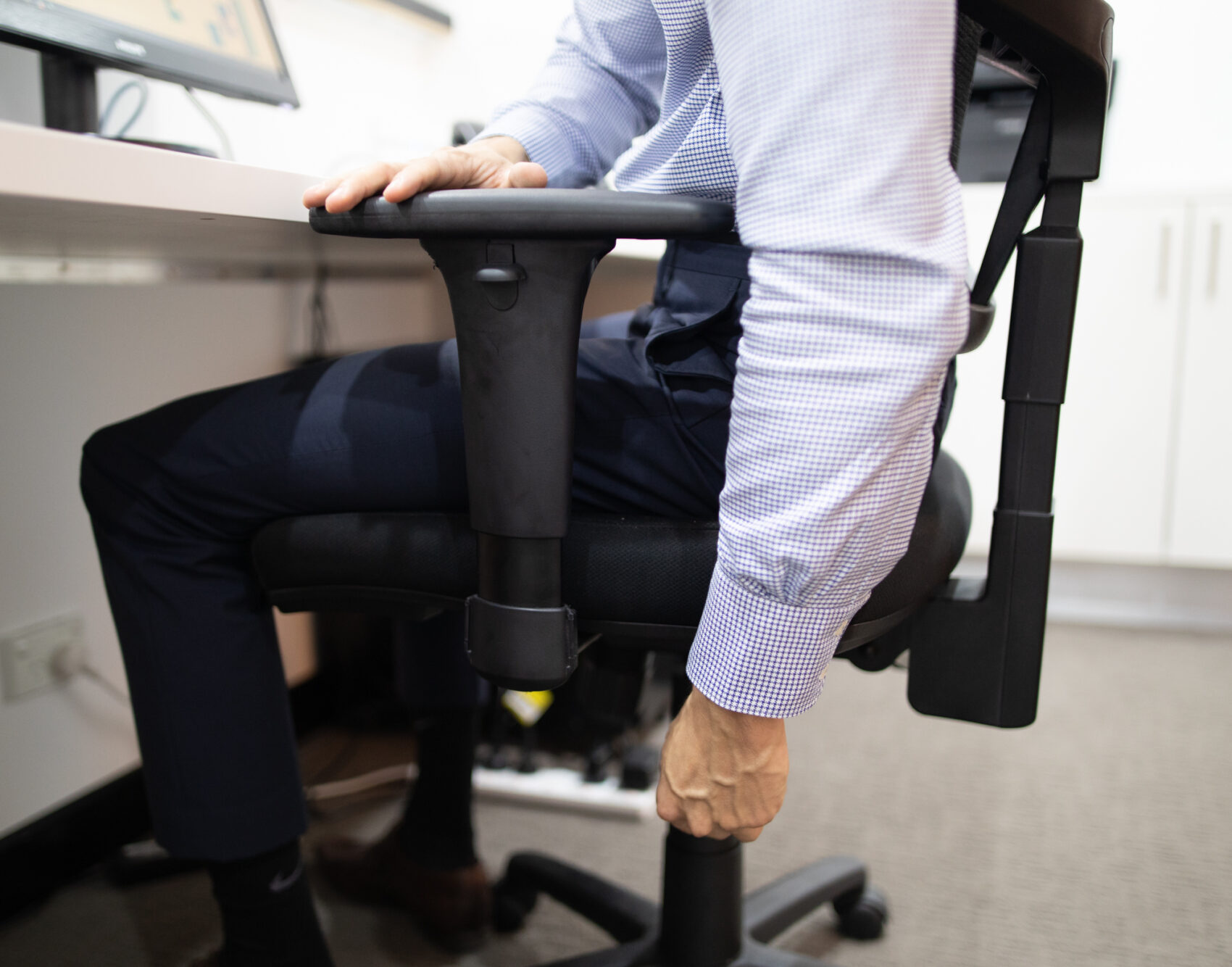 Chair height has a direct impact on pelvic position, hip loading, and sitting posture.
If a chair is too low, the hips remain in deeper flexion for prolonged periods. This increases compression at the front of the hip joint, encourages hip flexor shortening, and often promotes slouched sitting positions, particularly if the knees sit higher than the hips.
Conversely, a chair that is too high may place pressure under the thighs, reduce circulation, and force the pelvis into awkward positions, especially if the feet cannot comfortably rest on the floor.
Small ergonomic adjustments can often make a surprisingly large difference to sitting comfort and hip symptoms over time.
Is It Really My Hip Causing The Pain?
Not all hip pain actually originates from the hip itself.
In some cases, lumbar spine conditions can refer pain into the hip, buttock, or leg. If hip pain is accompanied by numbness, tingling, burning pain, weakness, or pain radiating down the leg, the lower back may need to be assessed as a potential source of symptoms.
Conditions involving the lumbar discs, joints, nerve roots, or surrounding structures can sometimes mimic true hip pathology.
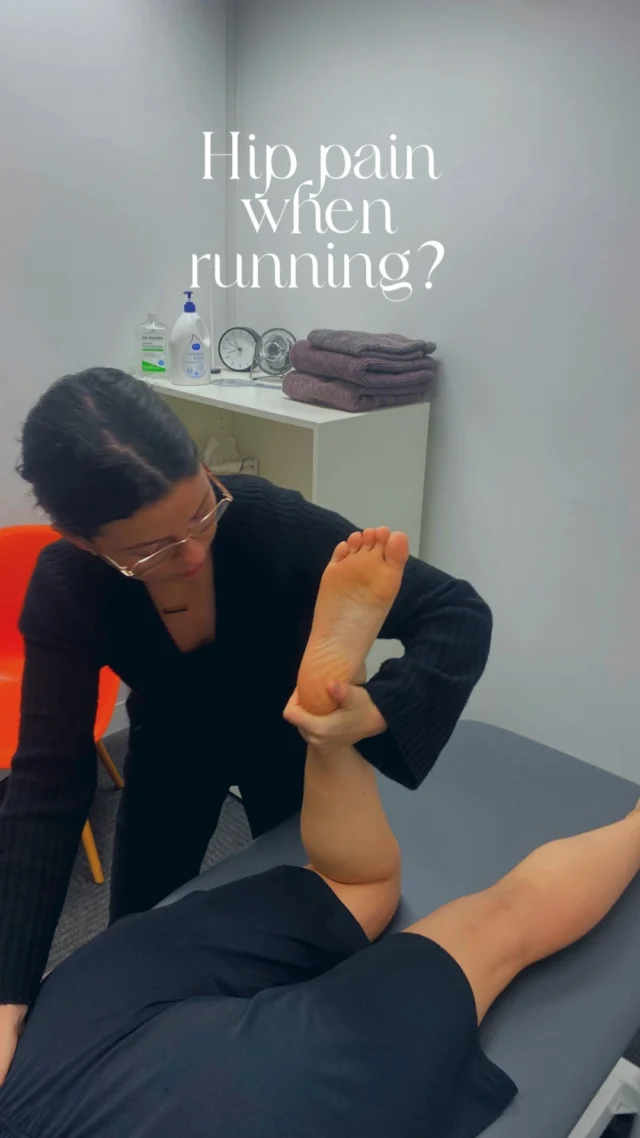
A thorough physiotherapy assessment helps determine whether pain is primarily muscular, joint-related, movement-based, postural, or neurologically referred. Treating the wrong source often leads to ongoing frustration and limited improvement.
Frequently Asked Questions
How should I set up my chair to reduce hip pain?
As a general guide:
- Feet should rest flat on the floor
- Knees should sit approximately level with or slightly below the hips
- The pelvis should feel balanced rather than rolled backwards or excessively tipped forward
- The lower back should maintain a gentle natural curve
- The shoulders should remain relaxed while sitting
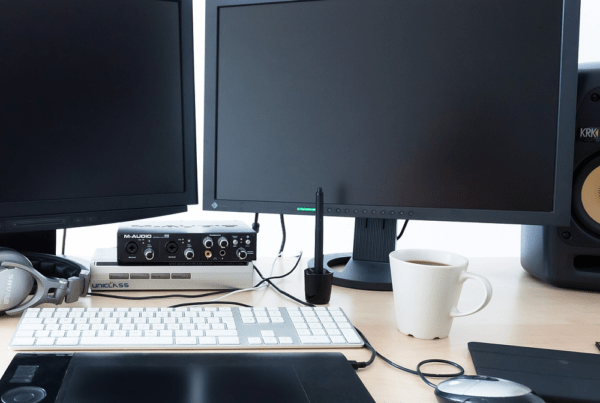
An ergonomic assessment can also help identify contributing factors such as desk height, monitor position, keyboard setup, and sitting habits. Chair height is often one of the simplest and most effective places to start.
Will exercise help hip pain from sitting?
Yes, exercise is one of the most effective ways to reduce persistent sitting-related hip pain.
Strengthening the glutes and improving hip mobility can help reduce strain on the hips and lower back while improving overall movement tolerance.
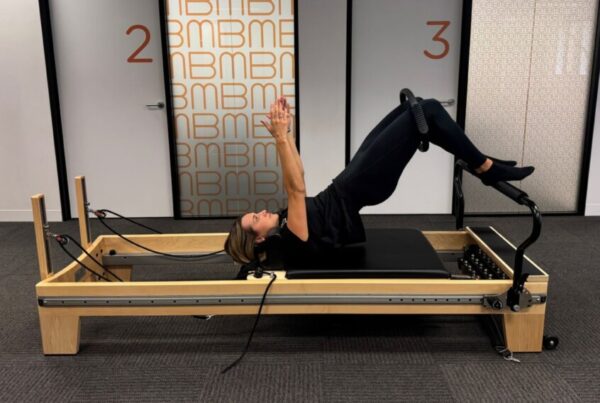
Simple exercises such as bridges, squats, step-ups, walking, and hip mobility exercises are often excellent starting points for improving glute activation and lower body strength.
For more individualised advice and targeted rehabilitation, a physiotherapy assessment can help identify which exercises are most appropriate for your symptoms and movement patterns.
Will stretching help?
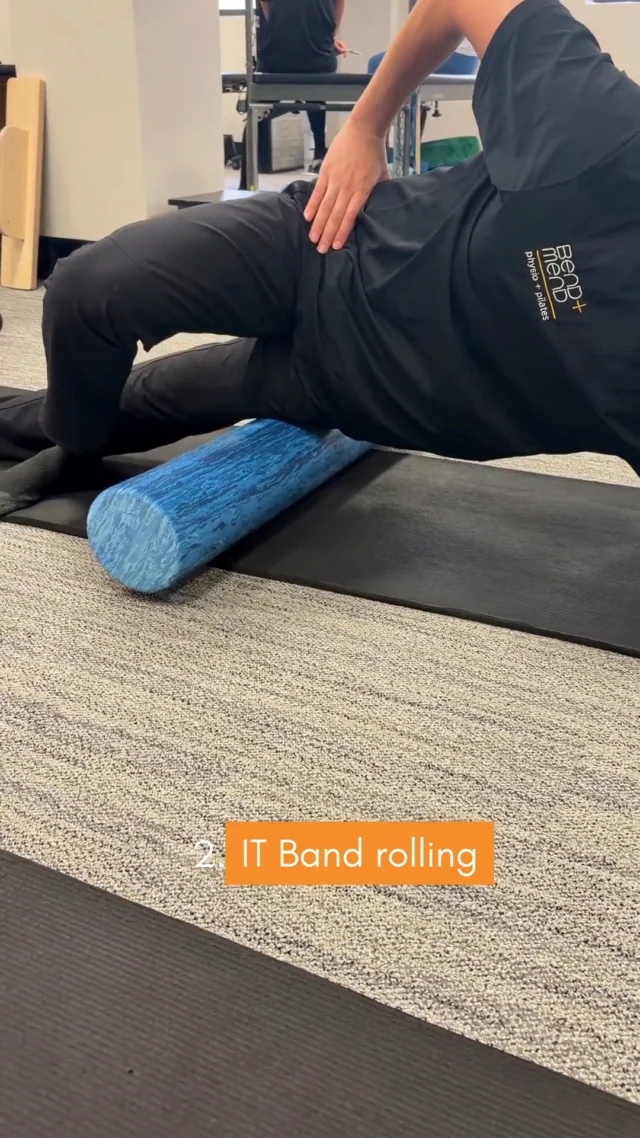
Stretching may provide temporary relief, particularly for tight hip flexors and surrounding muscles. However, long-term improvement usually requires addressing the underlying movement habits, strength deficits, prolonged sitting exposure, and muscle imbalances contributing to the problem.
Hip pain from sitting is rarely caused by one single issue. More commonly, it develops from a combination of prolonged hip flexion, hip flexor tightness, glute inhibition, poor pelvic positioning, reduced movement, and suboptimal workplace ergonomics.
The body generally responds well to movement variability, strength, regular position changes, and improved workstation setup. In many cases, meaningful improvement begins not with aggressive treatment, but simply with changing how we sit, move, and support our bodies throughout the day.
If prolonged sitting, desk work, or hip stiffness is affecting your comfort, work, exercise, or daily life, a physiotherapy assessment may help identify contributing factors and guide an appropriate treatment plan.