Many people use the terms ‘slipped disc’ and ‘bulging disc’ interchangeably, but they are not the same thing. Both involve the discs in your spine, but what’s occurred is different, and severity of the issue and symptoms can differ.
What is a spinal disc?
Your spine is made up of a stack of bones called vertebrae, and in between each vertebra at the front of the vertebrae is an intervertebral disc. These discs act as shock absorbers for the spine and help it move smoothly. We have vertebrae and discs from the top of our neck to the bottom of our lower backs.
Each disc is made up of:
- A tough fibrous outer shell called the annulus fibrosis
- A softer gel-like centre called the nucleus pulposus
Our discs are like jelly doughnuts. They have a firmer outer layer with a softer centre inside.
What is a Bulging Disc?
A bulging disc happens when the disc pushes outward beyond its normal boundary (within the vertebrae to now outside of its normal bone boundaries). This is usually due to weakness in the outer disc wall and/or increased pressure on the disc over time. The jelly however remains within the doughnut, but part of the doughnut is slightly flattened and sticking out. The disc is ‘bulging’ outward, like a tyre that is puffing out slightly.
Common causes:
A disc bulge can occur from:
- Lifting heavy objects, particularly while bent over
- Repetitive bending or twisting
- Prolonged sitting, especially with poor posture
- Repetitive microtrauma over time
- Age-related wear and tear
Symptoms:
Some people may have no symptoms at all, while others may experience:
- Neck, upper back or lower back pain ranging from dull to sharp
- Pain radiating into the buttock or leg, or to the shoulder or down the arm
- Stiffness and guarded movement
- Pain aggravated by sitting, bending, lifting, coughing or sneezing
- Moving after being in a particular position for a period of time
If the disc bulge irritates nearby nerves, symptoms may also include:
- Pins and needles
- Numbness
- Muscle weakness
- Reduced reflexes in the leg
- Burning
What is a Slipped Disc?
The term ‘slipped disc’ is not actually a medical term. It is commonly used to describe a disc herniation or disc prolapse.
This occurs when the inner gel-like nucleus pulposus pushes through a tear or weakness in the outer annulus fibrosis. The jelly has come out of the doughnut.
A herniated disc is generally considered a more significant progression from a disc bulge. The inner material (nucleus pulposus) may even escape the outer layer completely.
The disc has not literally “slipped,” but part of the inner material has pushed outward and may place pressure on nearby nerves.
Symptoms:
Symptoms are often more severe than a bulging disc. It is more likely that a ‘slipped disc’ or its resulting inflammation can place pressure momentarily or continuously on nearby nerves than a disc bulge. Symptoms are exactly the same as a disc bulge, just more likely to get the neural symptoms and more likely that symptoms in general are more severe. Recovery is usually longer for ‘slipped discs’ as well.
However some people can have a lot of pain with a disc bulge and some have no pain with a ‘slipped disc,’ it’s not as simple as size and type of disc injury equals intensity and type of symptoms.
Recovery Timelines – Symptoms
Recovery varies between individuals depending on:
- Severity of initial symptoms
- How chronic (long) they’ve had the issue for
- Number of flare ups they’ve had with the issue
- Type of work
- Sitting, standing and walking time
- Strength and control generally but especially lumbopelvic for lower backs and upper/thoracic spine + scapulothoracic for necks
- Exercise patterns currently
- Lifestyle factors
- Treatment received (Exercise based and manual therapy)
Bulging Disc
- Mild cases: a few days to weeks
- Moderate cases: 6–12 weeks
- Residual stiffness or sensitivity can persist longer
Slipped/Herniated Disc
- Acute pain often improves within 2–6 weeks
- Nerve symptoms may take several months to settle
- Full recovery may take 3–12+ months depending on severity
Many people recover well without surgery. As previously mentioned, you can have a bulging disc and even in some cases a herniated disc and have never had pain.
This is all physical recovery time, which are symptom based.
Recovery Timelines – MRI findings resolution
Symptom resolution and MRI resolution are not the same thing. Many people become completely pain-free while still having a visible disc bulge on MRI. All that really matters is symptoms resolution. 50% of people at 40 years old have a disc bulge and don’t have symptoms.
Disc Bulges
A true broad-based disc bulge often does not completely disappear.
What tends to happen is:
- The bulge may reduce in size somewhat over time.
- The disc may become less inflamed and less chemically irritating.
- The surrounding tissues adapt.
- The bulge often remains visible on MRI, even when symptoms have resolved.
Studies have found that many adults with no back pain have disc bulges visible on MRI. In other words, a persistent bulge on imaging does not necessarily mean ongoing injury or symptoms.
Typical MRI changes:
- 6–12 months: small reduction possible.
- 1–5 years: often remains visible but may be smaller.
- Complete disappearance: relatively uncommon for broad-based degenerative bulges.
Disc Herniations
Disc herniations are actually more likely to disappear than simple bulges.
This seems counterintuitive, but once nucleus pulposus material escapes through the annulus, the body’s immune system can recognize it as “foreign” and begin breaking it down.
The herniated material may:
- Shrink substantially.
- Be resorbed by inflammatory cells.
- Sometimes disappear entirely from MRI.
Research has shown:
- Disc protrusions may shrink by roughly 40–50% on average.
- Extrusions (disc herniation) often shrink by 60–70% or more.
- Sequestrations (disc herniation which is slightly worse as a fragment has completely separated) have the highest rate of near-complete or complete resorption.
Most MRI changes occur slowly:
- 3 months: Early reduction sometimes visible.
- 6 months: Meaningful shrinkage often detectable.
- 12 months: Significant resorption commonly seen.
- 1–2 years: Maximum reduction for many people.
- Beyond 2 years: Further changes can still occur but are slower.
A large extruded lumbar disc that looks dramatic on MRI may be barely visible or completely absent 12–24 months later.
Can a Disc Return to a Completely Normal MRI?
Sometimes, but not always.
A disc that has herniated generally heals through:
- Resorption of the protruding material.
- Scar formation within the annulus.
- Changes in disc hydration.
Even if the herniation disappears, MRI may still show:
- Annular tears.
- Reduced disc height.
- Disc degeneration.
- Reduced water content ‘disc desiccation’
So the MRI may not look ‘normal’ even though the herniation itself has resolved.
Role of Physiotherapy
Disc bulges and herniations are usually managed successfully with conservative treatment, including physiotherapy and medication.
Your physiotherapist is able to diagnose a disc injury and estimate its severity through:
- Detailed history taking
- Postural assessment
- Movement assessment
- Palpation
- Neurological testing if indicated
Physiotherapy aims to:
- Reduce pain and inflammation
- Improve mobility and function
- Restore confidence with movement
- Reduce stress on the discs and joints
- Help prevent recurrence
Common Physiotherapy Treatments
Education and advice
- Activity modification
- Lifting and posture advice
- Guidance around sitting and movement
Manual therapy
May include:
- Joint mobilisations
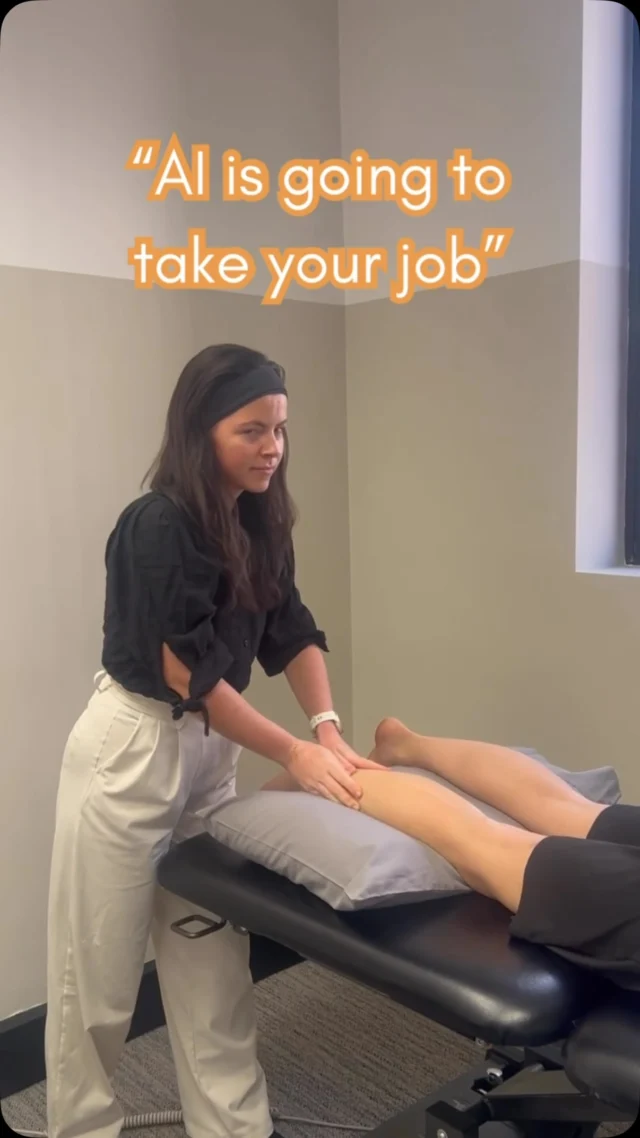
- Soft tissue massage
- Dry needling
- Gentle movement-based techniques
Exercise therapy
Can include:
- Mobility exercises
- Stretching
- Core stability training
- Progressive strengthening, with a lumbopelvic and leg bias
- Walking programs
- Gradual return to work or sport programs
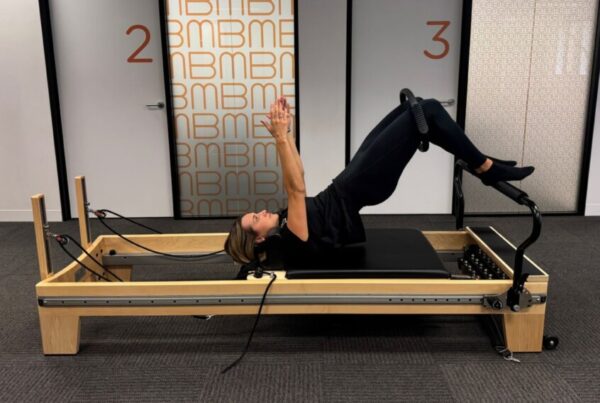
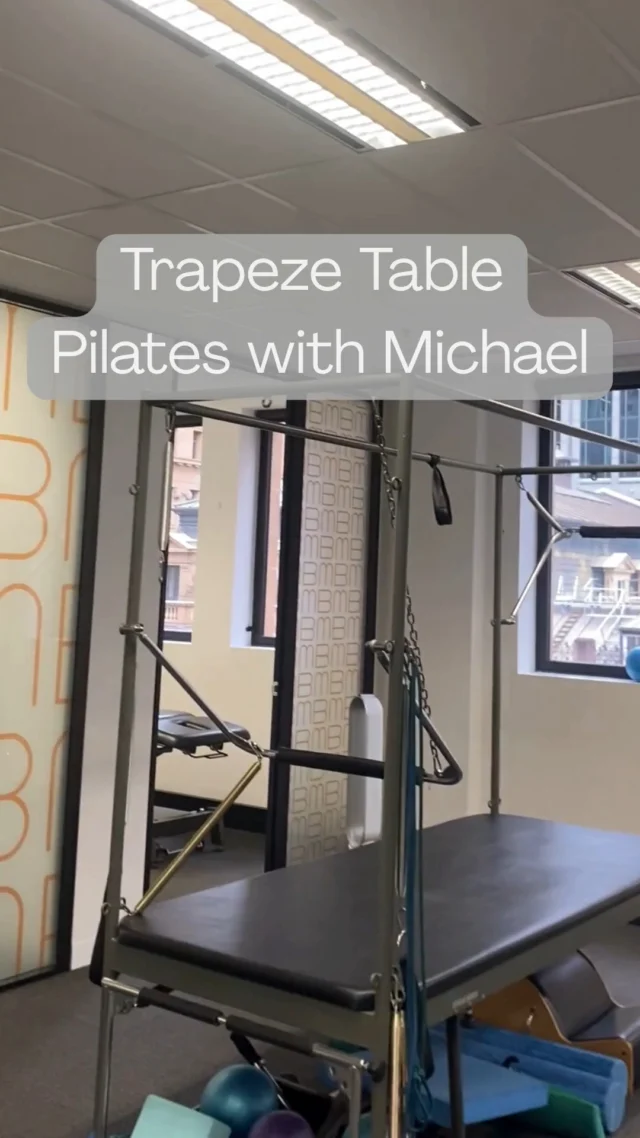
Developing motor control and strength within the deep core muscles helps stabilise and protect the spine and discs. Research strongly supports motor control exercise programs, including Pilates-based rehabilitation with a physiotherapist, in the management and prevention of low back pain and disc injuries. Strength training beyond the core and lower back muscles, including glutes and legs mainly can help reduce pain and reoccurrence. Having the right balance of walking, standing, lying down and sitting is vital too depending on what stage of recovery you’re at.
Complete bed rest is usually not recommended anymore. Gentle movement and gradual loading are generally more beneficial for recovery than prolonged rest.
Ice, heat and taping
These may also be used during acute stages to help manage pain and muscle guarding.
When to Seek Urgent Medical Attention
A severe disc bulge or herniation in the lower back can compress important nerves and cause a condition called cauda equina syndrome, which is a medical emergency.
Seek urgent medical attention if you develop:
- Loss of bladder or bowel control
- Numbness around the groin or saddle area
- Significant weakness in one or both legs
- Balance or coordination changes
- Rapidly worsening symptoms
These symptoms require immediate assessment at hospital.
Having any nerve pain at all whether it be pins and needles or numbness, burning, decreased strength or sensation are also extremely important to get on top of. If nerve issues are not addressed quickly, some pain can become more intense and take longer to settle. More importantly though, there may be damage caused to the nerves that are irreversible.
Surgery
Surgery is occasionally considered in more severe cases where symptoms are not improving with conservative treatment, pain is extremely intense for a prolonged period of time, or there’s a decrease in strength, sensation or reflexes.
One common procedure is a microdiscectomy, where part of the disc is removed to relieve pressure on spinal nerves. Another is a laminectomy, where part of the vertebrae (lamina) is removed to create more room around the nerves or disc bulge.
Physiotherapy rehabilitation is still important after surgery to restore strength, movement and function.
Recent research suggests that a comprehensive physiotherapy and rehabilitation program may improve functional outcomes sooner than early surgical intervention in many cases.
FAQs
- Is a bulging disc the same as a slipped disc?
No. A bulging disc occurs when the disc extends beyond its normal boundary but the inner gel-like centre remains contained within the outer layer. A slipped disc (more accurately called a disc herniation or prolapse) occurs when the inner nucleus pulposus pushes through a tear or weakness in the outer annulus fibrosis. While both conditions can cause similar symptoms, a herniated disc is generally considered a more advanced disc injury. - Can a bulging or slipped disc heal without surgery?
In most cases, yes. Many people recover successfully with conservative treatment such as physiotherapy, appropriate exercise, activity modification, and time. Symptoms often improve well before any changes are seen on MRI, and many people become completely pain-free despite ongoing disc changes on imaging. Surgery is usually only considered when symptoms are severe, persistent, or associated with significant nerve compression. - Should I keep exercising if I have a disc bulge or herniation?
Generally, yes. Complete bed rest is rarely recommended and can often slow recovery. Gentle movement and a gradual return to activity are usually beneficial. The type and amount of exercise should be tailored to your stage of recovery and symptoms. A physiotherapist can help guide appropriate exercises to improve mobility, build strength, reduce pain, and minimise the risk of future flare-ups.
Written by Adrian Cerra, Physiotherapist at Bend + Mend Physiotherapy and Pilates.