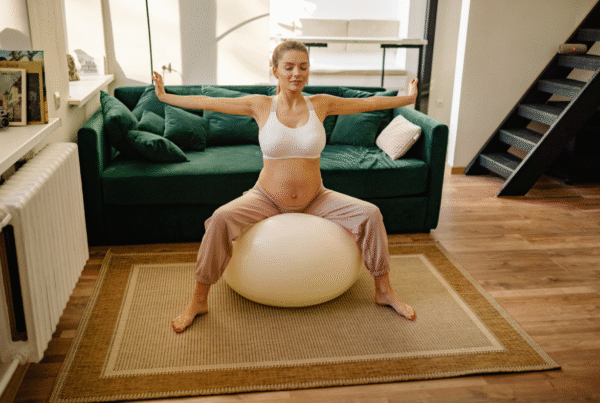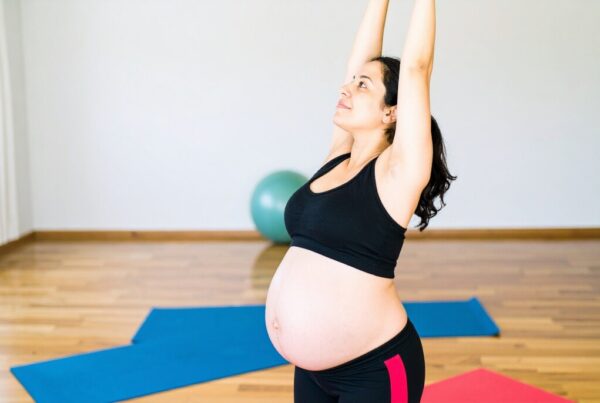
Many pregnant women we see in the Sydney CBD have questions about abdominal separation and how they can prevent or manage it.
Key Takeaways
Abdominal separation (diastasis recti) is common during pregnancy and expected as the uterus grows.
The goal isn’t to eliminate it entirely, but to manage abdominal pressure safely.
Techniques like diaphragmatic breathing and functional strengthening help support the deep core.
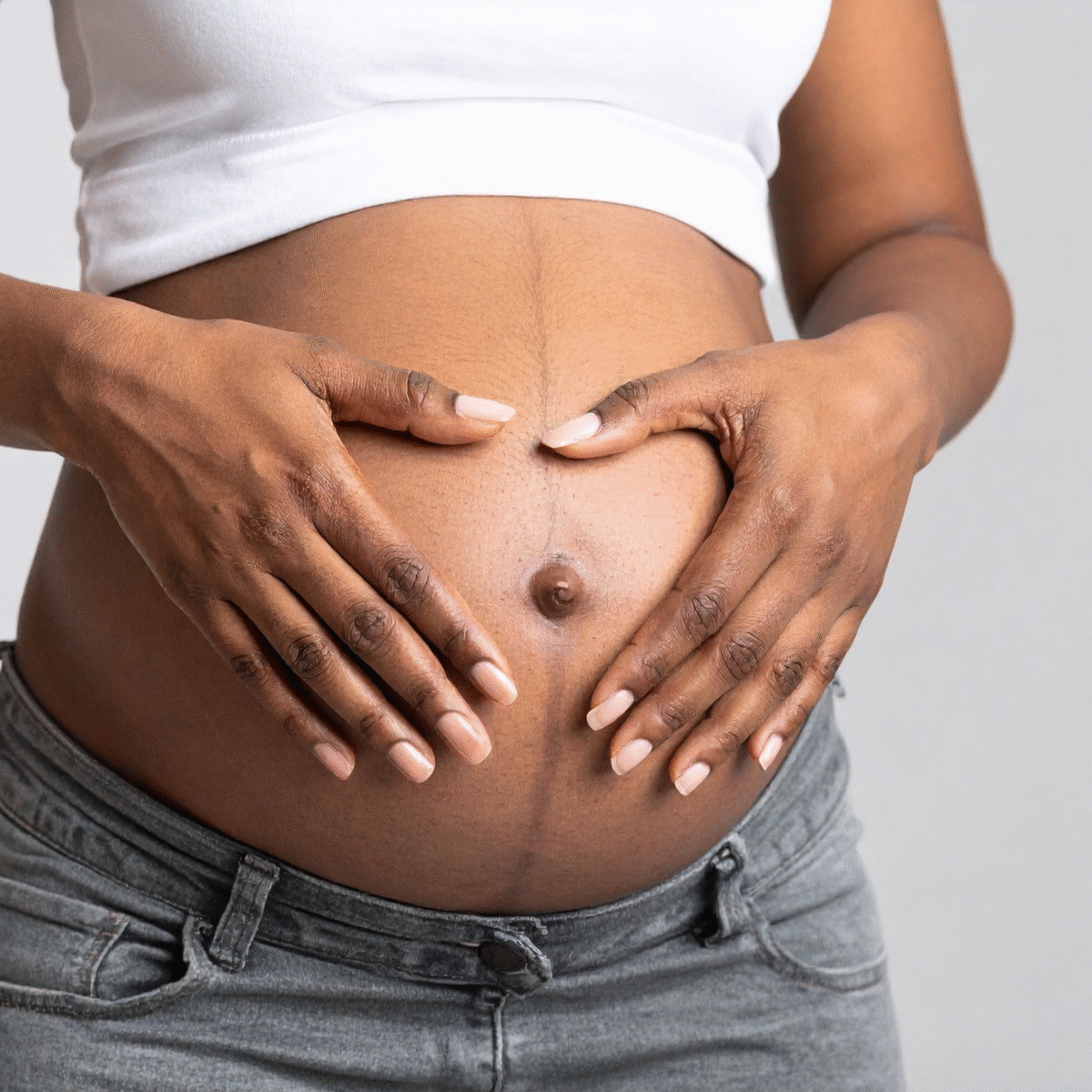 Pregnancy brings many changes to the body. While it’s an exciting time, it can also feel overwhelming as your body changes hormonally, and physically in appearance. One of the most noticeable changes is the stretching and separation of the abdominal wall, known medically as diastasis recti or DRAM (Diastasis Rectus Abdominis Muscle).
As physiotherapists, one of the most common questions we’re asked is: What is it, is it dangerous and can I prevent it during pregnancy?
What is Diastasis Recti or Abdominal Separation during pregnancy?
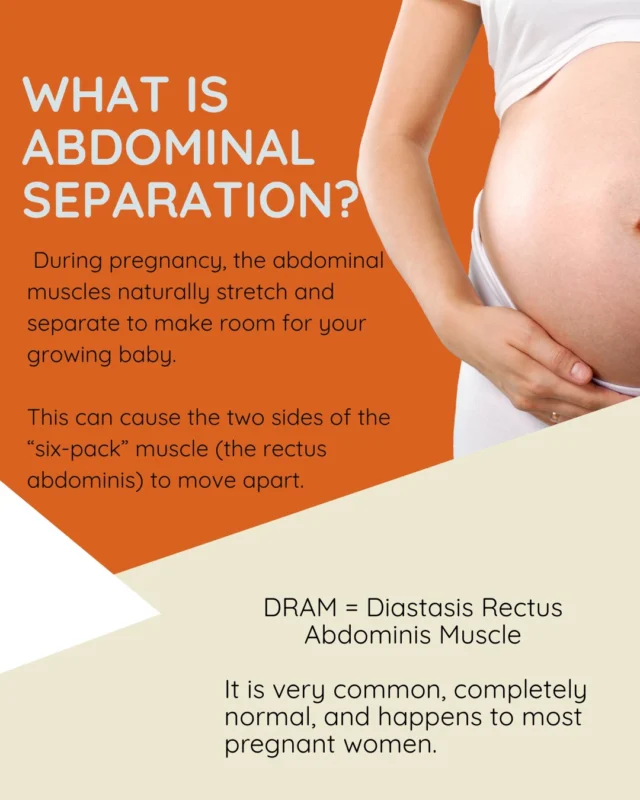
Diastasis recti is defined as an increased inter-recti distance resulting from stretching and thinning of the linea alba, the connective tissue that joins the two bellies of the rectus abdominis (main abdominal muscles also known as the “six-pack”).
Although not exclusive to pregnancy this presentation is highly prevalent in those who are pregnant, particularly in the later stages due to the combination of both mechanical load from the growing belly and the laxity in connective tissue due to hormonal changes.
A certain amount of abdominal separation during pregnancy is completely normal. It is a natural, healthy adaptation as the body makes space for a growing baby, not a medical problem. Because of this, the goal during pregnancy is not to prevent separation entirely (which isn’t realistic or necessary), but to help the body manage pressure well and avoid excessive strain on the connective tissue along the midline of the abdomen (the linea alba).
How can I manage abdominal separation during pregnancy?
One of the key concepts here is intra-abdominal pressure, which refers to the pressure inside your abdominal cavity. The abdominal wall works as part of a system that includes the diaphragm (your main breathing muscle tucked underneath your lungs), the pelvic floor muscles, the deep abdominal muscle called the transversus abdominis, and the deep muscles that support the spine. When these muscles work together effectively, pressure is distributed evenly. However, breath-holding, forceful bracing, or repeatedly straining the front of the abdomen can push too much pressure forward and place extra stress on the midline. Visually this can be obvious. When strain is put on the linea alba during such bracing a doming of the belly can be seen.
Good breathing technique is the foundation of managing this pressure as well as healthy contractions of the abdominals. Diaphragmatic breathing, where the ribcage expands in all directions as you inhale; followed by a gentle, controlled exhale that lightly engages the deep abdominals and pelvic floor, helps create stability without excessive forward pressure. During pregnancy, abdominal engagement should feel gentle and responsive, not forceful. Over-tightening or rigid bracing can actually increase pressure and strain the midline more.
Can I exercise safely with abdominal separation during pregnancy?
Yes you can! Exercise during pregnancy should however focus on overall strength, posture, and control rather than targeting the “six-pack” muscles in isolation. Deep abdominal exercises can still be performed to stabilise the spine. It is also helpful to strengthen the gluteal muscles, back muscles, and hip stabilisers. Strong hips and posterior chain (muscles around the back of the body) improve how forces move through the body, reducing unnecessary strain on the abdominal wall. Other abdominal exercises performed in four-point kneeling or standing using various resistance tools such as a therabands or Pilates apparatus can encourage correct and safe contraction of the abdominal muscles. Structured and tailored Clinical Pregnancy Pilates is a great way to ensure this.
Posture also plays a role. As pregnancy progresses, the body’s centre of gravity shifts forward. Meaning you can feel unbalanced! This often increases the natural curve in the lower back and causes the ribs to flare upward. Both changes can increase tension on the abdominal wall. Rather than trying to hold a stiff “perfect” posture, the goal is awareness; by gently stacking the ribs over the pelvis and maintaining endurance in a comfortable, well-aligned position can optimise the abdominal position meaning bracing is kept to a minimum.
Everyday movements matter too. Repeated actions such as getting out of bed, lifting, or carrying objects can add up over time. Rolling onto your side to get up from lying down, breathing out during effort (such as when lifting), and avoiding sudden twisting movements can help protect the abdominal wall. Watching for visible “coning” or “doming” along the midline during activities can also provide useful feedback that pressure may need to be better managed.
A common misunderstanding is that the width of the separation alone determines whether it is a problem. Current evidence suggests that tissue quality, the ability to generate tension, and how well the body transfers load are more important than the measurement itself. However, this measurement can be helpful to track improvement post-natally. Many women experience natural improvement in separation in the early weeks after birth. Supporting healthy movement and pressure control during pregnancy may influence recovery more positively than trying to eliminate separation altogether.
When do I need to see a Physio for abdominal separation?
An Individual physiotherapy assessment is helpful – particularly if there is significant bulging during light activities, ongoing back or pelvic pain, or symptoms of pelvic floor dysfunction. Early guidance allows exercises and daily movement strategies to be adjusted appropriately and new plans to be implemented. Pilates is also a safe and great way to ensure safe contraction of these muscles whilst also getting a great work out in.
In summary, abdominal separation during pregnancy is a normal and an expected change. The focus should be on managing pressure, coordinating breathing, building overall strength, maintaining comfortable alignment, and moving well in daily life. With proper education and thoughtfully prescribed exercise such as clinical Pilates, individuals can support abdominal wall health whilst staying active safely throughout pregnancy. Our Bend + Mend Physios in Martin Place are experienced in providing the right advice and exercises during pregnancy.
FAQs:
What are some exercises I can do for abdominal separation during pregnancy?
Exercises done in sidelying and four-point kneeling are often effective to encourage the deep abdominal muscles to turn on in comfortable, yet challenging, positions. Start with simple muscle activation (including the pelvic floor!) and then add arm and leg movements to progress such as “bird dog”. The key is to make sure you are not holding your breath before adding progressions. Here is a detailed physiotherapists guide on exercise during pregnancy.
What exercises should I avoid?
We recommend avoiding the more traditional abdominal exercises like sit-ups or crunches can increase visible bulging or doming along the midline, especially if performed with high effort or incorrectly. Head lifts and crunches can put excessive strain on the abdominal muscles which may contribute or exacerbate diastasis recti.
How do I check for a diastasis recti:
- Lie on your back with your knees bent and feet flat on the ground
- Place your fingers just above your belly button pointing down towards your pelvis
- Lift your head and shoulders up off the floor to contract to abdominals while feeling for separation under your fingers, you should be able to feel the left and right edges of rectus abdominis
Keep in mind some degree of separation occurs in all pregnancies. The presence of a gap alone with no other symptoms does not indicate any problem. Greater than 3 finger widths is still in no way harmful but may benefit from some Physio guidance from our Women’s Health Physio, Alle, here in Martin Place.
Written by Divashni Kumar, Physiotherapist at Bend + Mend, Sydney CBD.