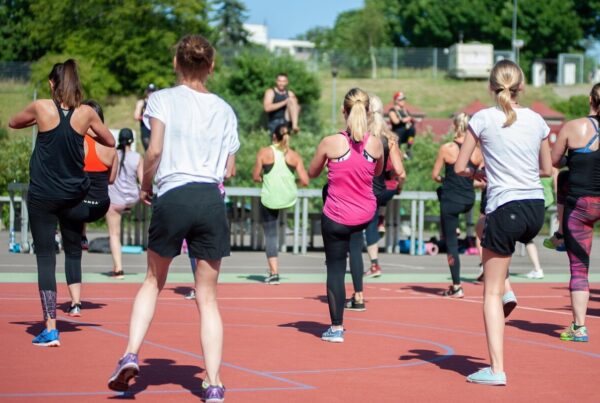
Exercise during pregnancy is safe and beneficial for most pregnant women with uncomplicated pregnancies. This guide explains what types of exercise are safe during pregnancy, what to modify, and how to manage common pregnancy-related pain such as back pain, pelvic girdle pain and abdominal separation.
One of the most common questions many pregnant women ask us here in the Sydney CBD is, “Is it still safe to exercise?” or “Should I stop doing what I was doing before?”
From a physiotherapist’s perspective, the answer in most cases is reassuring. You can and should keep moving. According to Australian and international guidelines, moderate exercise during uncomplicated pregnancy is considered safe and beneficial for both mother and baby. The key is knowing how to adjust as your body changes.
Why staying active matters
Exercise during pregnancy isn’t about maintaining peak fitness or “bouncing back” later. It’s about supporting your body as it adapts.
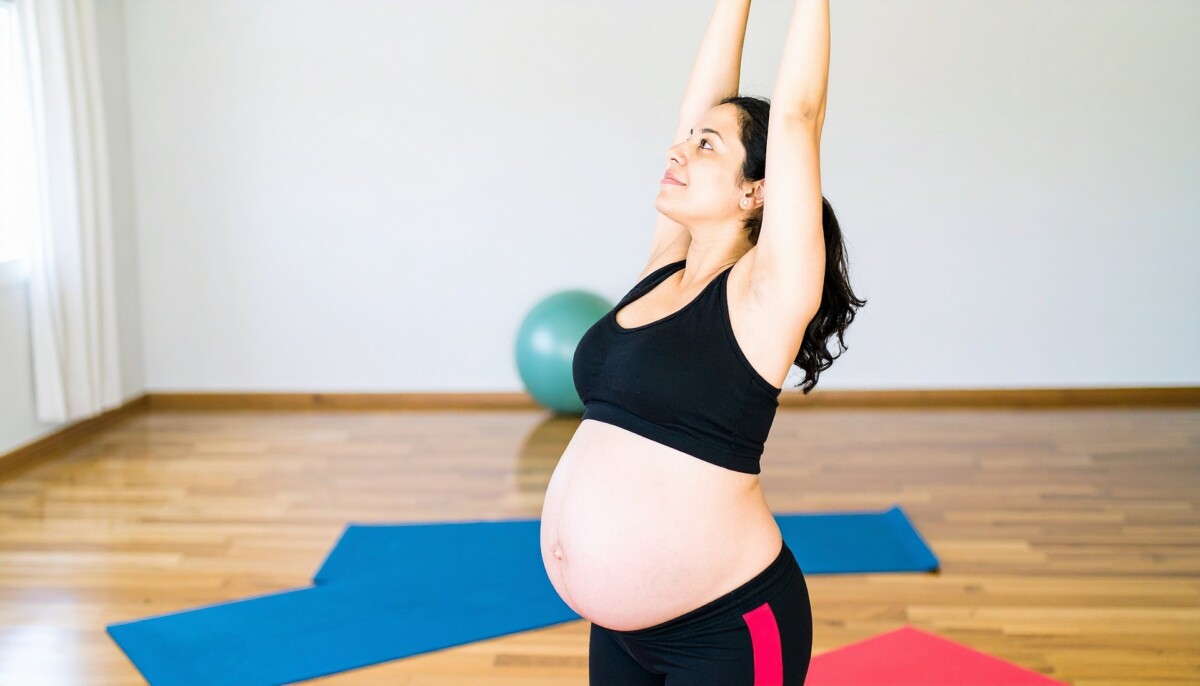 We regularly see that appropriate exercise can help:
- Reduce lower back and pelvic pain
- Improve posture as your bump grows
- Support pelvic floor function
- Improve circulation and reduce swelling
- Maintain energy levels
- Prepare the body for labour and recovery
Pregnancy places increased load on muscles and joints. Strength and movement help your body cope with that load more comfortably.
How does pregnancy change your body?
Hormonal changes increase ligament laxity. This is helpful for childbirth but can make joints, especially around the pelvis, feel less stable.
As your baby grows:
- Your centre of gravity shifts forward
- Your abdominal wall stretches
- Your rib cage expands
- Your pelvic floor works harder
These changes don’t mean you need to stop exercising. They simply mean your programme should evolve with you.
What types of exercise are safe during pregnancy?
For most uncomplicated pregnancies, a combination of cardiovascular exercise, strength training, and pelvic floor work is ideal.
Cardiovascular Exercise
Low-impact options are usually best:
- Walking
- Stationary cycling
- Swimming
- Elliptical trainer
You should feel like you’re working, but still able to hold a conversation.
Strength Training
Strength work becomes even more important during pregnancy. Focus on supporting the areas under the most demand:
- Glutes
- Upper back
- Deep abdominal muscles
- Functional lower body strength
Controlled movements and steady breathing are key. Avoid holding your breath during effort.
Pelvic Floor Exercises
Your pelvic floor supports your bladder, bowel and uterus. During pregnancy it carries increasing load, so it needs both strength and coordination.
This includes:
- Longer holds (5–10 seconds)
- Quick contractions
- Full relaxation between repetitions
Many women benefit from an individual pelvic health assessment to ensure they’re activating the muscles correctly.
Mobility Work
Gentle mobility can ease stiffness in the hips, mid-back and calves. However, avoid aggressive stretching, your joints are already more mobile than usual.
Pregnancy Pilates at Bend + Mend
One of the most effective and popular ways to exercise during pregnancy is clinical pregnancy Pilates. We offer small, physiotherapist-led pregnancy Pilates classes at our clinic, designed specifically around the physical changes of each trimester.
These sessions focus on deep core activation, pelvic floor coordination, glute strength, posture, and breathing control, all tailored to support your changing body. Because the classes are supervised by physios, exercises are modified in real time if you’re experiencing pelvic girdle pain, back pain, or abdominal separation.
Our aim isn’t high-intensity workouts. It’s about controlled, targeted movement that helps you feel stronger, more stable, and more confident throughout pregnancy and better prepared for recovery afterwards.
What exercise should be modified during pregnancy?
Certain activities may need adjusting as pregnancy progresses:
- High-impact exercise if you’re experiencing pelvic heaviness or leakage
- Contact or high fall-risk sports
- Prolonged lying flat on your back after the first trimester
Pain is not something to push through. If an activity causes sharp discomfort, pelvic pressure, or urinary leakage, it’s worth getting assessed.
Managing Common Pregnancy Discomforts
Lower Back Pain
Very common, often due to postural changes and muscle fatigue. Strengthening the glutes and deep core muscles usually makes a significant difference.
Pelvic Girdle Pain
Pain around the pubic bone or sacroiliac joints can be aggravated by single-leg movements like stairs or getting dressed. Treatment often involves load management, targeted strengthening, and sometimes hands-on therapy.
Abdominal Separation
Some separation of the abdominal muscles is normal. The focus is on managing pressure — exhaling during effort and avoiding excessive straining rather than eliminating core work altogether. For a detailed explanation of abdominal separation (diastasis recti) and how to manage it safely during pregnancy, read our full guide here.
How hard should you work when exercising while pregnant?
For most women, moderate intensity is appropriate:
- You can talk, but not sing
- 20–30 minutes most days
- Gradual progression if you were previously inactive
If you were exercising regularly before pregnancy, you can often continue with adjustments. If you’re new to exercise, start conservatively and build up.
Every pregnancy is different. Individual advice matters.
When do I need to stop and ask for advice?
Stop exercising and seek medical advice if you experience:
- Vaginal bleeding
- Persistent abdominal pain
- Dizziness or fainting
- Fluid leakage
- Regular painful contractions
If you have a high-risk pregnancy or medical condition, always follow your obstetric provider’s guidance.
Preparing for postpartum starts now
We often see women focus only on getting through pregnancy. But how you move now can make a big difference after birth.
Maintaining strength, pelvic floor function and good movement patterns during pregnancy supports smoother recovery and return to activity later on.
Final Thoughts
Pregnancy is not a period that requires inactivity, but it does require awareness. Exercise should feel supportive, not exhausting or uncomfortable. Move consistently. Adjust when needed. Listen to your body.
If you’re unsure where to start, or if pain, heaviness or leakage is limiting you, a physiotherapy assessment can provide clarity and confidence. At our Sydney CBD physiotherapy clinic, we regularly assess and guide women through safe pregnancy exercise, particularly when experiencing pelvic girdle pain, back pain, or abdominal separation.
Understanding the research behind these recommendations can also help women and their partners feel confident in modern advice. Read more on the Research Supporting Safe Exercise During Pregnancy here.
FAQ’s
Is it safe to exercise during pregnancy?
Yes. For most uncomplicated pregnancies, exercise is safe and highly beneficial. Staying active can reduce lower back and pelvic pain, improve posture, support pelvic floor function, boost circulation, and help prepare your body for labour and postpartum recovery. If you have a high-risk pregnancy, always follow your obstetric provider’s advice.
What are the best types of exercise during pregnancy?
The most recommended pregnancy exercises include low-impact cardiovascular training (walking, swimming, stationary cycling), strength training, pelvic floor exercises, and clinical pregnancy Pilates. A balanced program that combines cardio, strength, and pelvic floor work is ideal for supporting your changing body.
Can I continue strength training while pregnant?
In most cases, yes. Strength training becomes even more important during pregnancy to support the glutes, deep abdominal muscles, upper back, and lower body. Focus on controlled movements, steady breathing, and avoiding breath-holding. Exercises may need modification as pregnancy progresses.
How hard should I exercise during pregnancy?
Moderate intensity is appropriate for most women. A helpful guide is the “talk test” — you should be able to hold a conversation but not sing. Aim for 20–30 minutes most days, adjusting based on your previous fitness level and how you feel.
When should I stop exercising during pregnancy?
Stop exercising and seek medical advice if you experience vaginal bleeding, persistent abdominal pain, dizziness or fainting, fluid leakage, or regular painful contractions. Pain, pelvic pressure, or urinary leakage during exercise are also signs that you should seek assessment from a healthcare professional.
Written by Clodagh Gray, Physiotherapist at Bend + Mend, Sydney CBD.