Pickleball has quickly become one of the most popular sports for adults of all ages. It is social, fun, and a great way to stay active. However, as pickleball continues to grow in popularity, physiotherapists are also seeing an increase in overuse injuries, especially tennis elbow.
Despite the name, you do not need to play tennis to develop tennis elbow. The condition is now very common among pickleball players due to the repetitive gripping, swinging, and wrist movements involved in the sport.
The good news is that most people improve well with the right treatment, strengthening program, and activity modifications.
What Is Tennis Elbow?
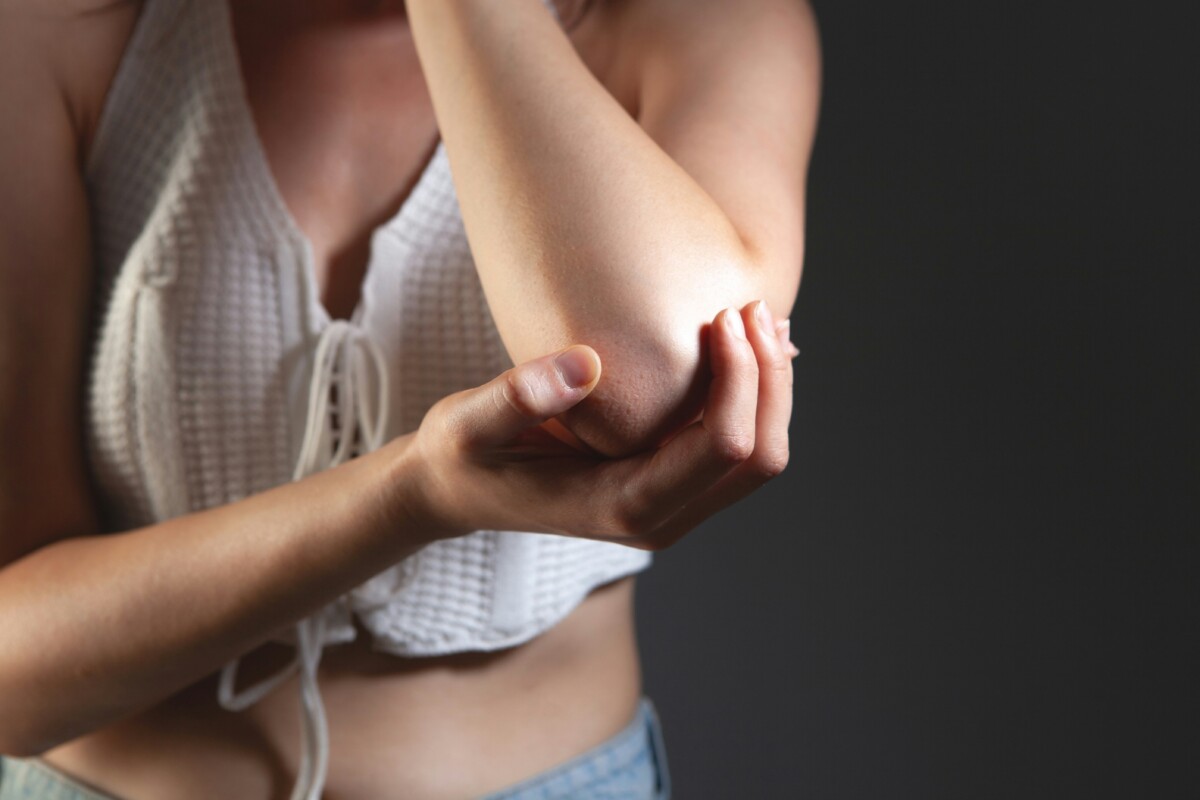
Tennis elbow, also known as lateral epicondylalgia, is irritation of the tendons on the outside of the elbow. These tendons help control gripping and wrist movement.
In pickleball, repetitive backhands, gripping the paddle tightly, and quick wrist movements can overload the tendon over time.
Common symptoms of tennis elbow include:
- Pain on the outside of the elbow
- Pain when gripping the paddle
- Weak grip strength
- Stiffness after playing
- Pain lifting objects such as shopping bags or kettles
- Soreness during or after backhand shots
For most people, symptoms develop gradually rather than from one specific injury.
Why Pickleball Causes Tennis Elbow
Tennis elbow is usually caused by repetitive overload.
A common pattern we see in the clinic is people going from low activity levels to playing pickleball several times per week. Tendons adapt more slowly than muscles and can become irritated when load increases too quickly.
 Factors that may increase the risk of tennis elbow include:
- Sudden increase in playing frequency
- Long pickleball sessions without recovery
- Poor backhand technique
- Gripping the paddle too tightly
- Incorrect paddle grip size
- Weakness through the forearm or shoulder
- Not enough recovery between games
While technique and equipment can contribute, the biggest factor is often how much load the tendon is being asked to tolerate.
How Physiotherapy Helps Tennis Elbow
Most people recover well with physiotherapy treatment.
At Bend + Mend, physiotherapy for tennis elbow focuses on reducing pain, improving tendon strength, and helping you return to pickleball safely.
Treatment may include:
- Progressive strengthening exercises
- Load management advice
- Technique correction
- Hands-on treatment where appropriate
- Gradual return-to-play planning
- Forearm and shoulder strengthening
Strengthening is especially important because tendons respond well to gradual loading over time.
Simply resting completely may temporarily reduce symptoms, but it often does not address the underlying tendon weakness.
What You Can Do at Home
Early management can make a big difference in recovery.
Helpful strategies include:
- Reducing playing frequency temporarily
- Avoiding very long sessions
- Starting gentle strengthening exercises
- Applying ice after activity for short-term pain relief
- Checking paddle grip size and grip tension
- Warming up properly before games
- Allowing recovery days between sessions
Complete rest is usually not necessary, but continuing to push through worsening pain can delay recovery.
When to See a Physio
It is worth booking a physiotherapy assessment if:
- Pain lasts longer than 1–2 weeks
- Symptoms are worsening
- Grip strength feels weak
- Daily activities become painful
- You cannot play pickleball comfortably
- Pain keeps returning after games
Early treatment is often easier and more effective than managing a long-standing problem.
Frequently Asked Questions
How long does tennis elbow take to heal?
Mild cases may improve within several weeks, while more persistent cases can take several months depending on tendon irritation and activity levels.
Can I still exercise with tennis elbow?
Yes. In most cases, staying active is encouraged, although activities may need temporary modification while symptoms settle.
Should I stop playing pickleball completely?
Not always. Many people can continue playing pickleball with reduced intensity, shorter sessions, or temporary training adjustments during recovery.
Will complete rest fix tennis elbow?
Complete rest may reduce pain temporarily, but it usually does not improve tendon capacity or strength. Most people recover better with gradual strengthening and guided return to activity.
Physiotherapy for Pickleball Injuries
As pickleball continues to grow in popularity, overuse injuries like tennis elbow are becoming increasingly common.
At Bend + Mend, we help pickleball players recover from elbow pain, improve strength, and return to playing confidently with personalised physiotherapy treatment and rehabilitation programs.