Hip pain while running is one of the most common injuries experienced by runners of all levels, from beginners training for their first 5km to experienced marathon runners increasing their mileage.
For some runners, hip pain develops gradually over time. For others, it can appear suddenly after increasing training volume, adding speed sessions, or returning to running after a break.
The good news is that most cases of running-related hip pain improve significantly with the right physiotherapy treatment, strength program, and training adjustments. Understanding why the pain develops is often the first step toward getting back to pain-free running.
What Does Hip Pain From Running Feel Like?
Hip pain while running can feel different depending on which muscles, tendons, or joints are irritated.
Common symptoms include:
- Pain during or after running
- Stiffness when getting out of bed or the car
- Pain climbing stairs
- Tight hips after sitting for long periods
- Tenderness on the outside of the hip
- Pain when running hills or sprinting
- A deep ache in the buttock or groin region
- Pinching or stiffness at the front of the hip
Many runners initially ignore mild symptoms, hoping they will settle on their own. However, continuing to push through pain without addressing the underlying cause can often lead to longer recovery times and persistent irritation.
In most cases, hip pain does not mean there is serious damage. More commonly, the tissues around the hip are becoming overloaded and struggling to tolerate the demands being placed on them.
Common Causes of Hip Pain While Running
Running places repetitive load through the hips, knees, pelvis, and lower back. Normally, the body adapts well to this stress when training progresses gradually and recovery is adequate.
Problems usually occur when training load increases faster than the body can adapt.
Sudden Increase in Running Load
One of the most common causes of running-related hip pain is increasing training too quickly. This may include:
- Increasing weekly kilometres too fast
- Adding extra running days
- Introducing speed or hill sessions
- Returning to running after time off
- Training for an upcoming race too aggressively
As a general guideline, runners should increase weekly running volume by approximately 5–10% per week. Beginner runners should stay closer to 5%, while experienced runners may tolerate closer to 10% if training is progressing well.
Weak Hip and Glute Muscles
The glute muscles play an important role in stabilising the pelvis and controlling movement during running.
If the glutes and surrounding hip muscles are weak or fatigue quickly, additional stress can be placed on the tendons and joints around the hip. Over time, this can contribute to pain and irritation.
Common conditions associated with hip pain in runners include:
- Gluteal tendinopathy
- Hip flexor irritation
- Trochanteric pain syndrome
- Hip joint irritation
- Muscle overload and tightness
Can Running Technique or Shoes Cause Hip Pain?
Running technique and footwear can sometimes contribute to symptoms, but they are rarely the sole cause of hip pain.
More often, hip pain develops due to a combination of:
- Training load
- Recovery habits
- Muscle strength
- Running mechanics
- Previous injuries
A thorough assessment helps identify which factors are most relevant for each individual runner.
How Physiotherapy Helps Hip Pain in Runners
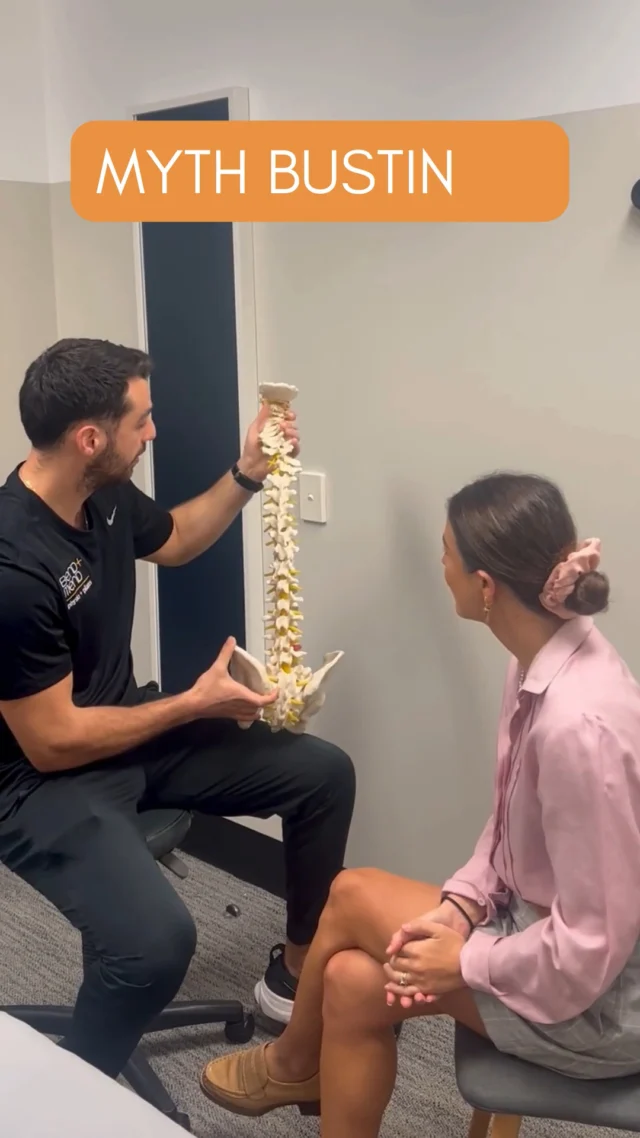
At Bend + Mend, our physiotherapists help identify the underlying cause of your hip pain and guide you through recovery while keeping you as active as possible.
A physiotherapy assessment for running-related hip pain may include:
- Assessing pain location and symptoms
- Reviewing recent training changes
- Testing hip strength and mobility
- Assessing balance and control
- Evaluating running-related movements
- Discussing recovery habits and exercise routine
Treatment is then tailored to your specific symptoms, goals, and running background.
 Treatment for Hip Pain While Running
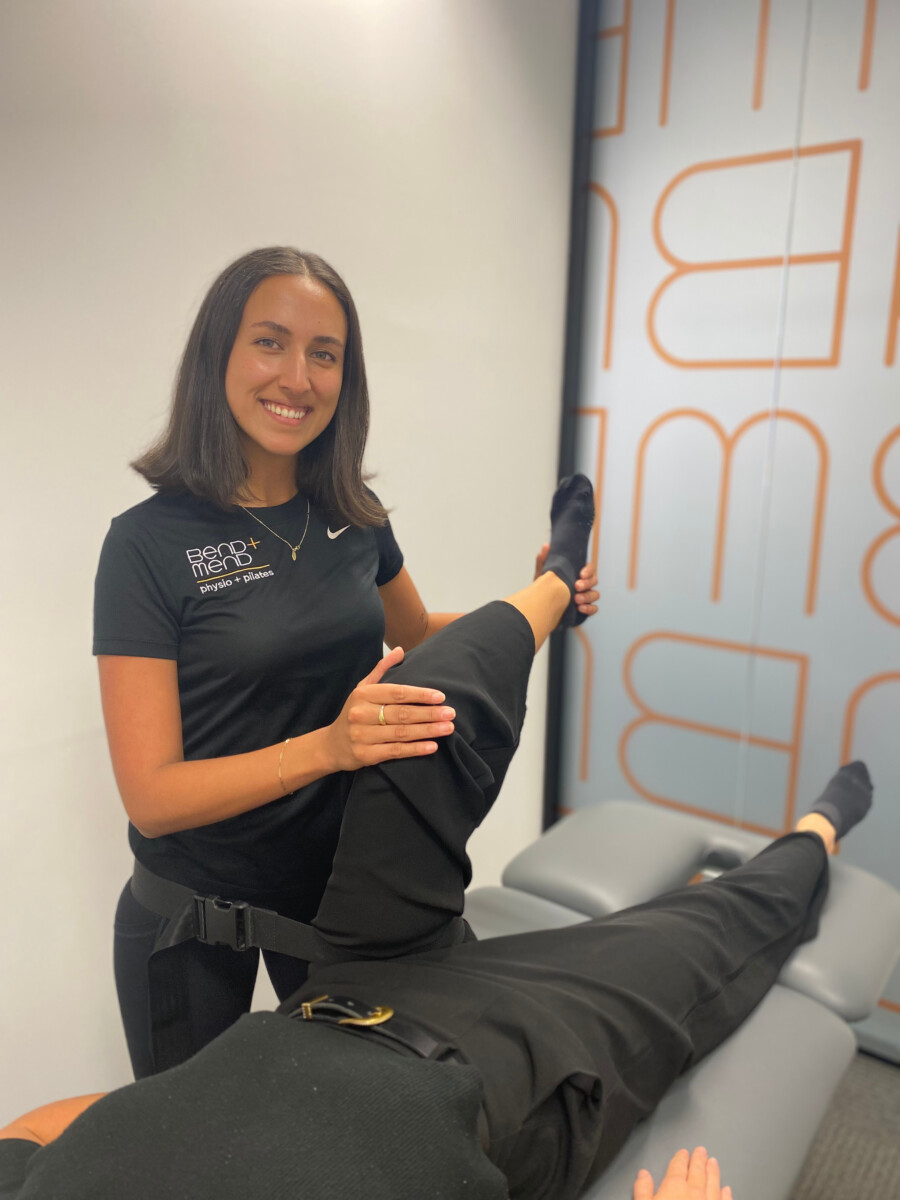
Physiotherapy treatment may include:
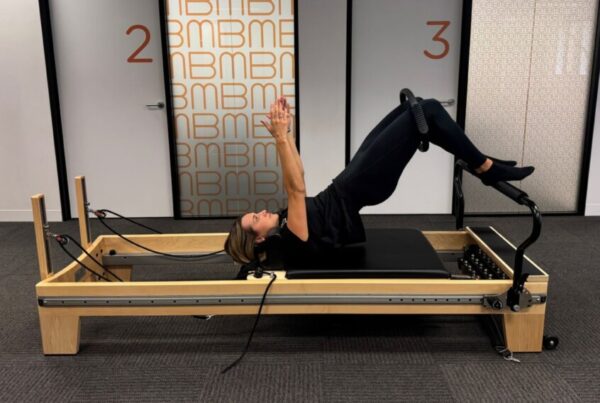
- Hip and glute strengthening exercises
- Mobility and flexibility work
- Load management advice
- Hands-on treatment where appropriate
- Return-to-running guidance
- Running technique advice if required
One of the biggest benefits of physiotherapy is learning how to manage training load effectively rather than simply stopping exercise completely.
In many cases, runners can continue training with temporary modifications while recovering.
The goal is not only to reduce pain in the short term, but also to improve long-term resilience and reduce the likelihood of symptoms returning.
What You Can Do at Home for Hip Pain
1. Temporarily Reduce Running Load
Reducing running load does not always mean stopping completely.
Often symptoms improve by temporarily reducing:
- Running distance
- Speed sessions
- Hill running
- Weekly running frequency
Allowing irritated tissues time to settle while maintaining some activity is usually more effective than pushing through worsening pain.
2. Start a Strength Program
Improving strength around the hips and pelvis is one of the most effective long-term strategies for runners with hip pain.
At Bend + Mend, we create tailored strengthening programs designed specifically for runners and based on individual assessment findings.
3. Prioritise Recovery
Recovery plays a major role in both injury management and injury prevention.
Key recovery strategies include:
- Recovery days between harder sessions
- Gradual training progression
- Proper warm-ups before running
- Adequate sleep and nutrition
- Managing overall training stress
Many runners underestimate how strongly recovery influences both pain and running performance.
When Should You See a Physio for Hip Pain?
It is worth booking a physiotherapy assessment if:
- Hip pain has lasted longer than 1–2 weeks
- Symptoms are worsening
- Running is becoming difficult
- Pain keeps returning
- Daily activities are becoming uncomfortable
Early assessment and treatment often lead to faster recovery and less time away from running.
Frequently Asked Questions
How long does hip pain from running take to heal?
Recovery time depends on the cause of the pain, symptom severity, and how long the issue has been present. Many runners improve within several weeks when training load and strength deficits are addressed properly.
Do I need a scan for hip pain?
Not usually. Most cases of running-related hip pain can be diagnosed through a detailed physical assessment. Scans are usually only recommended if symptoms are severe, persistent, or not improving as expected.
Can I still run with hip pain?
Often yes. Many runners can continue running with temporary modifications to their training while recovering. A physiotherapist can help guide the appropriate level of running during rehabilitation.
Should I stretch my hips?
Stretching can sometimes help if stiffness is contributing to symptoms, but strengthening exercises and load management are usually more important for long-term improvement.
Physiotherapy for Running-Related Hip Pain
If hip pain is stopping you from enjoying running, early treatment can help prevent symptoms from becoming more persistent.
At Bend + Mend, we help runners recover from hip pain, improve strength, and return to running safely with personalised physiotherapy treatment and rehabilitation programs.
Written by Michael Gavan, Physiotherapist at Bend + Mend, Martin Place Sydney.