Most athletes return to sport 9–12 months after ACL surgery, but timing alone isn’t enough. Safe return depends on strength, functional testing, and confidence in the knee. Meeting these criteria reduces reinjury risk and ensures the knee can handle sport-specific demands.
Anterior Cruciate Ligament (ACL) injuries are a devasting blow to athletes of all levels. The ACL stabilises the knee by preventing the shin bone from moving too far forward and controlling twisting movements. The ACL subsequently provides stability and support with movements such as lunging, jumping, landing, pivoting, and running seen with a variety of different sports; both contact and non-contact.
Learn more about ACL injury treatment and rehabilitation, and surgical versus non-surgical approaches here ACL (Anterior Cruciate Ligament) Rupture and Rehabilitation.
The question we receive a lot as a physiotherapists’ is:
When can I return to sport following injury and subsequent ACL reconstruction?
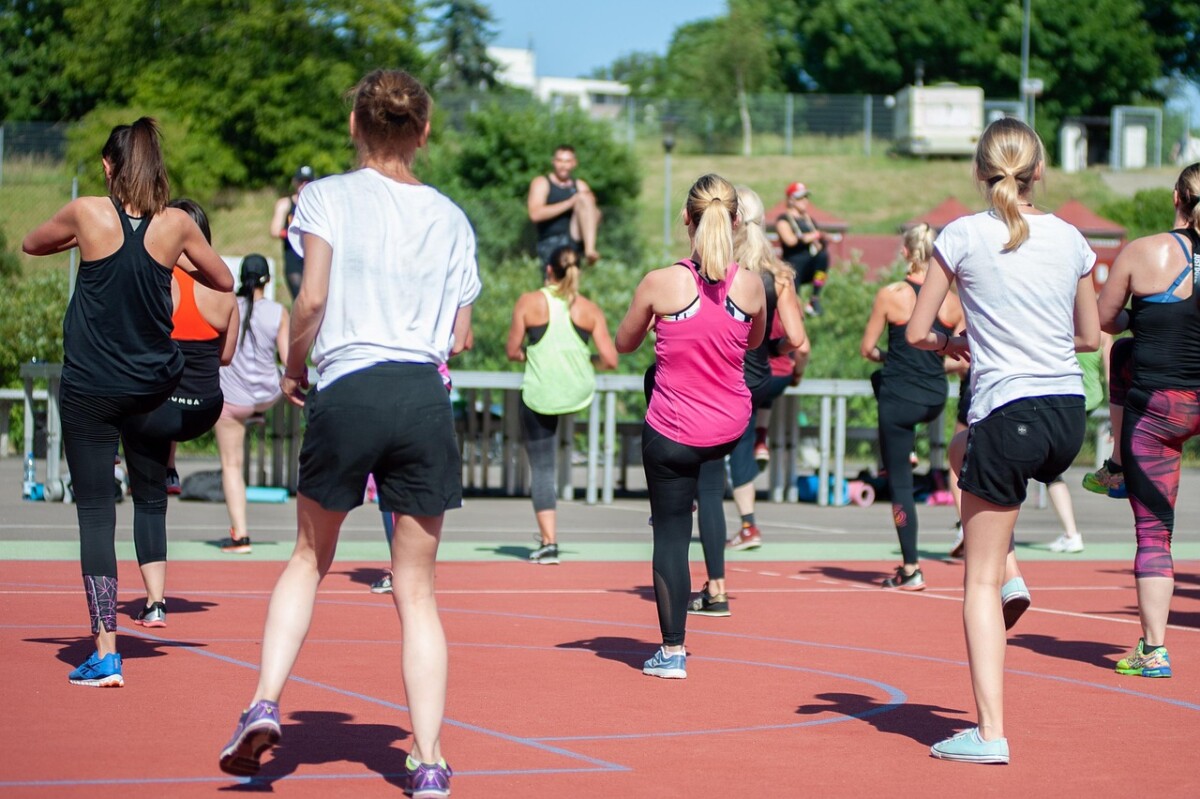 Full clearance and confidence to return to sport is guided not only by time but also the following:
- Quadricep and hamstring strength ≥90% of the uninjured leg (limb symmetry index).
- Passing a battery of plyometric tests including a single-leg hop, triple hop and cross-over hop.
- Psychological readiness (confidence in the knee) (Wright et al., 2025).
Let’s break down these elements.
Firstly time. It is recognised that goal-based rehabilitation is far superior to time-based rehabilitation however biological healing must be considered and respected. From a biological perspective normal graft and ACL stiffness and strength occurs at 8 months and remodelling occurs after 12 months. Grindem et al. (2016) outlined that rate of ACL reinjury is shown to decrease by 51% for each month a return to sport is delayed until 9 months after surgery. The core themes arising from the literature is that 9-12 months following ACL reconstruction alone does not reliability indicate readiness to return to sport; however, coupled with objective measures the return to sport outcomes are more favourably and risk of reinjury is decreased.
Secondly quadriceps and hamstring strength. The quadriceps (anterior thigh) and the hamstring (posterior thigh) are the main muscles of the knee that generate extension (straightening) and flexion (bending) respectively. Restoring strength in these muscles should be considered a main goal and objective of rehabilitation. The current research outlines that both the quadriceps and hamstring strength should be at least 90% of the uninjured leg; this is called a limb symmetry index (LSI). There are many ways to measure strength of a muscle this could be through functional measures such as a one rep maximal effort squat or leg press however dynamometry is often used as they are now easily accessible and available to physiotherapists within clinics.
Using this tool a maximal effort of resisted knee flexion and extension is recorded on both the injured and uninjured side and using the below calculation the LSI or difference between sides can be obtained. For example:
Limb Symmetry Index (LSI):
If surgical leg quadricep peak torque (maximal effort) = 170 Newton metres (Nm)
Uninjured leg = 190 Nm
LSI = (170/190) × 100 = 89%
This number indicates that the injured leg has 89% quadriceps of the uninjured leg whereas the goal is 90% and above. A systematic review conducted by Ashigbi et al. (2020), outlines that the risk of reinjury post ACL reconstruction is reduced with a LSI of ≥90% however is risk is further reduced combined with a battery of functional tests; even more so being sport specific to the athlete.
Thirdly, functional testing especially plyometrics focussing on single leg ability. As the ACL is designed with stability to the knee in mind it is crucial that hopping with height and control is adequate and again matches that of the contralateral (opposite) side. Research shows that hop tests are reliable tools for identifying residual strength and neuromuscular deficits, and when combined with other strength measures, they can significantly reduce the risk of reinjury. (Ashigbi et al., 2020).
Lastly, psychological readiness. This refers to an athlete’s readiness and confidence in their injured knee regarding return to sport. The ACL-RSI (Anterior Cruciate Ligament–Return to Sport after Injury) scale, developed by Nicolas Webster and colleagues, is a 12-item questionnaire designed to assess an athlete’s psychological readiness to return to sport after ACL injury or reconstruction. It evaluates emotions, confidence in performance, and perceived risk of reinjury, with each item scored from 0 to 100 and the final score calculated as the average of all items, resulting in a total score between 0 and 100. Higher scores indicate greater psychological readiness, and scores of approximately 65-70 or higher are commonly associated with successful return to sport, while lower scores are linked with delayed return or increased difficulty resuming pre-injury level participation.
Returning to sport or active life after an ACL injury isn’t just about waiting a certain number of months it’s about meeting key physical and mental milestones! Strength in the quadriceps and hamstrings should be at least 90% of the uninjured leg, and functional tests like single-leg hops help ensure the knee can handle everyday movements safely. Just as important is feeling confident in your knee; psychological readiness plays a big role in preventing reinjury. By combining strong muscles, proven functional ability, and confidence, people can return to activity more safely and reduce the risk of setbacks. This approach ensures not only recovery but also the confidence to move, play, and enjoy daily life without fear of reinjury. At Bend + Mend Physiotherapy in Sydney, we use strength testing, functional assessments, and sport-specific rehab to guide safe return to sport after ACL reconstruction.
ACL Return to Sport: Key Takeaways
Most people return between 9–12 months
Strength should be ≥90% of the other leg
Functional tests are essential
Confidence in the knee is critical
Meeting all criteria reduces reinjury risk
FAQs
1. Which ACL graft is best for athletes?
There is no single “best” ACL graft for all athletes. Hamstring, patellar tendon, and quadriceps tendon grafts each have pros and cons. The right choice depends on the athlete’s sport, goals, and surgeon recommendation, but successful outcomes rely more on rehabilitation than graft type alone.
2. Do I need to train differently before returning to sport after ACL surgery?
Yes, returning to sport after ACL surgery requires more than basic rehab. Athletes need to progress into sport-specific training, including sprinting, cutting, and directional changes, to prepare the knee for real match conditions and reduce the risk of reinjury.
3. How do I avoid tearing my ACL again after surgery?
To reduce the risk of a second ACL injury, athletes should continue strength training, improve movement control, and follow structured warm-up programs. Maintaining good technique and staying consistent with injury prevention exercises is key to long-term knee stability and performance.
References:
Ashigbi, E. Y. K., Banzer, W., & Niederer, D. (2020). Return to Sport Tests’ Prognostic Value for Reinjury Risk after Anterior Cruciate Ligament Reconstruction: A Systematic Review. Medicine and science in sports and exercise, 52(6), 1263–1271. https://doi.org/10.1249/MSS.0000000000002246
Grindem, H., Snyder-Mackler, L., Moksnes, H., Engebretsen, L., & Risberg, M. Simple decision rules can reduce reinjury risk by 84% after ACL reconstruction: the Delaware-Oslo ACL cohort study. British Journal of Sports Medicine. 2016;50(13), 804–808. http://doi:10.1136/bjsports-2016-096031
Wright, A., Reid, D., & Potts, G. (2025). Return to sport (RTS) tests and criteria following an anterior cruciate ligament (ACL) reconstruction (ACLR): a scoping review. The Knee, 57, 179–199. https://doi.org/10.1016/j.knee.2025.08.010