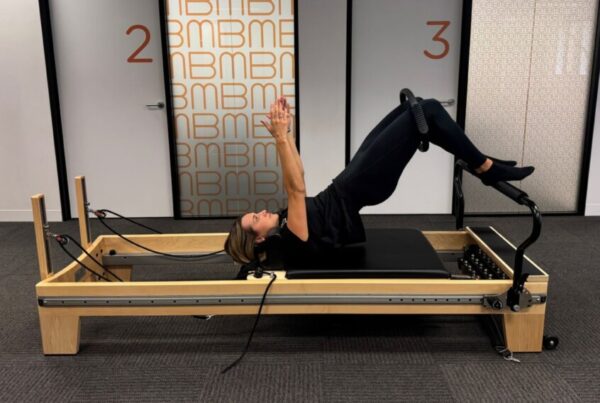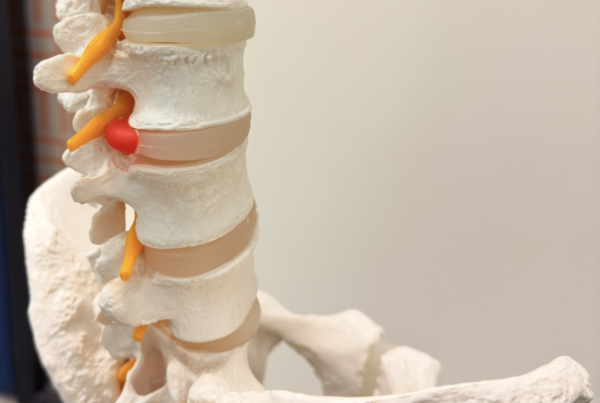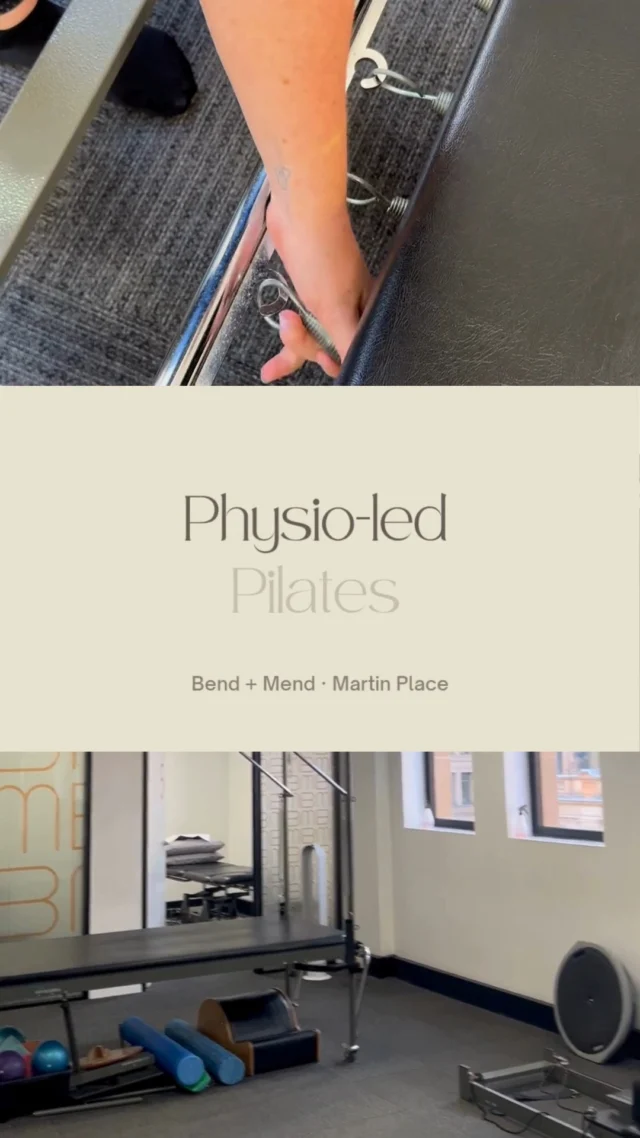
There’s a growing trend of rugby league and rugby union players incorporating reformer Pilates into their training. Many players notice improvements when using reformer Pilates in conjunction with continuing strength and conditioning training.
Here are some reasons reformer Pilates is becoming more popular for rugby players, from weekend league players to professional athletes.
Why Rugby Players Are Turning to Reformer Pilates
Rugby demands explosive power, speed, strength, agility, and resilience. While traditional gym training builds these qualities, reformer Pilates for rugby players can help fill some of the gaps by improving movement quality, mobility, stability, and control.
Improved Core Strength and Stability
A strong core is about more than visible abs. Rugby players need to transfer force efficiently between the upper and lower body during tackling, scrummaging, kicking, and changing direction.
Reformer Pilates challenges deep trunk stability while the body is moving, which can complement heavy strength training and help rugby players develop better control through different movements.
Better Hip and Shoulder Mobility
Limited mobility can affect performance and increase injury risk. Reformer Pilates combines strength with mobility, helping players maintain and increase range of motion through the hips, spine, and shoulders without sacrificing stability.
For rugby players, maintaining good hip, shoulder, and spinal mobility can be particularly important for tackling, running, changing direction, and contact-based movements.
Injury Prevention and Rehabilitation
At Bend and Mend, we use reformer Pilates during rehabilitation because it allows muscles to be strengthened under controlled resistance.
It can help address side-to-side imbalances, improve movement control, and build strength through full ranges of motion — all important when helping reduce the risk of common rugby injuries.
Reformer Pilates can also be incorporated into rugby injury rehabilitation and prehabilitation, depending on the individual player’s needs.
Recovery Between Rugby Games
Reformer sessions can provide a lower-impact training option during busy competition schedules. Rather than placing additional heavy loads on the body, they allow players to work on mobility, control, flexibility, and muscular endurance while promoting recovery.
This can make reformer Pilates a useful addition to a rugby player’s training routine during the season, particularly when managing the demands of regular games and strength and conditioning sessions.
Balance and Body Awareness
Rugby is unpredictable, requiring players to react quickly while maintaining control.
Pilates develops proprioception (your body’s awareness of where it is in space), balance, and coordination, which may contribute to better movement efficiency on the field.
For rugby players, improved body awareness and movement control can complement the explosive and unpredictable movements required during training and competition.
What Does the Evidence Say About Pilates for Rugby Players?
Research suggests Pilates can improve core endurance, balance, flexibility, movement control, and aspects of athletic performance.
However, current evidence does not support replacing traditional strength and power training with Pilates. For rugby players, reformer Pilates works best as a complement to resistance training, conditioning, and sport-specific practice, rather than a standalone performance program.
This means reformer Pilates can form part of a well-rounded rugby training program alongside strength and conditioning, running, conditioning, recovery, and rugby-specific skills.
Who’s Using Reformer Pilates?
Many professional rugby clubs now include Pilates as part of their training and rehabilitation programs.
It’s commonly used during injury recovery, prehabilitation, and in-season maintenance, particularly for players managing back pain, hip issues, or shoulder injuries.
Some professional players and rugby clubs have also publicly shared Pilates sessions on social media, reflecting its increasing acceptance within elite sport.
Reformer Pilates for Rugby Players at Bend and Mend
At Bend + Mend, reformer Pilates can be used alongside strength and conditioning to help rugby players work on strength, mobility, stability, movement control, and recovery.
Whether you’re a weekend rugby player, semi-professional athlete, or professional rugby player, reformer Pilates can be adapted to your training demands and individual goals.
The aim isn’t to replace traditional rugby strength and conditioning. Instead, reformer Pilates can complement your existing training program by targeting areas such as core stability, mobility, balance, movement control, and muscular endurance.
If you’re looking to add reformer Pilates to your rugby training or are returning to rugby following an injury, our team can help determine whether it is appropriate for you.
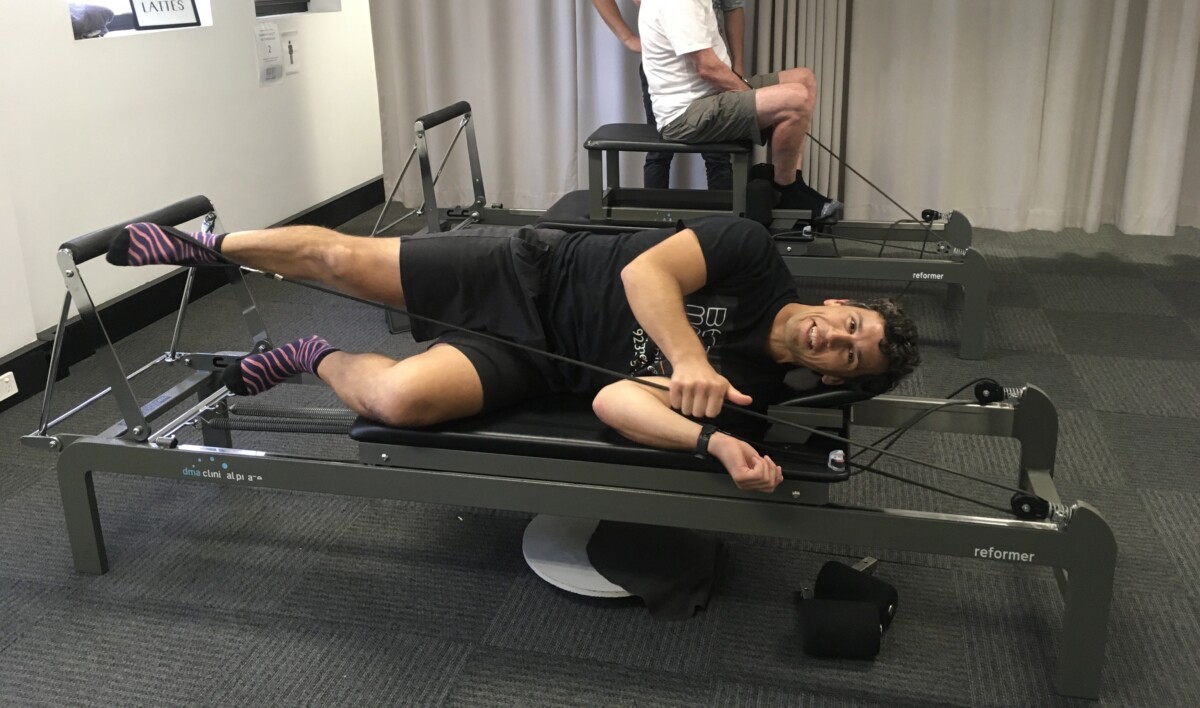 Reformer Pilates for Rugby Players: Key Takeaways
- Core strength and stability: Helps develop control through the trunk and transfer force efficiently.
- Hip and shoulder mobility: Combines strength and mobility through controlled movement.
- Injury prevention and rehabilitation: Can help address imbalances, movement control, and strength through range of motion.
- Recovery: Provides a lower-impact option during busy training and competition periods.
- Balance and body awareness: Develops proprioception, coordination, and movement control.
- Performance support: Complements, rather than replaces, strength and conditioning and rugby-specific training.
Reformer Pilates is becoming an increasingly popular part of rugby training because it offers a way for players to work on areas that complement the demands of the sport.
For rugby players, reformer Pilates is best viewed as part of a broader training, conditioning, recovery, and injury-prevention strategy.
Frequently Asked Questions About Reformer Pilates for Rugby Players
Can reformer Pilates improve rugby performance?
Reformer Pilates may support aspects of rugby performance by improving movement control, core endurance, balance, flexibility, mobility, and muscular endurance. For the best results, it should be combined with rugby-specific training, conditioning, and strength and power work.
Does reformer Pilates help prevent rugby injuries?
Reformer Pilates can be used as part of an injury-prevention and prehabilitation program. It can help address movement control, side-to-side imbalances, mobility, stability, and strength through a controlled range of motion. However, injury prevention involves many factors, including appropriate strength and conditioning, training load, recovery, technique, and individual risk factors.
Can rugby players do reformer Pilates during the season?
Yes. Reformer Pilates can provide a lower-impact training option during the rugby season. Sessions can be adapted to the player’s training schedule and can focus on mobility, control, flexibility, stability, and muscular endurance without adding the same heavy loads as traditional strength training.
Is reformer Pilates better than strength training for rugby players?
No. Reformer Pilates should not be considered a replacement for traditional strength and power training. Rugby players need strength, power, speed, conditioning, and sport-specific training. Reformer Pilates can complement these areas by focusing on movement quality, stability, mobility, control, and muscular endurance.
Can reformer Pilates help rugby players recovering from injury?
Reformer Pilates can be incorporated into rehabilitation for some rugby injuries because it allows muscles to be strengthened under controlled resistance and through a range of movement. The appropriate exercises and intensity will depend on the injury and stage of rehabilitation, so players should follow an individualised rehabilitation plan from their healthcare professional.
Ready to Add Reformer Pilates to Your Rugby Training?
Whether you’re a weekend rugby player, competitive athlete, or professional rugby player, reformer Pilates can be a useful addition to your training program.
At Bend + Mend, we can help you determine how reformer Pilates can complement your strength and conditioning, injury rehabilitation, mobility, and performance goals.
[Book a Reformer Pilates Session at Bend and Mend →]
Written by Michael Gavan, Physiotherapist at Bend + Mend, Martin Place Sydney.