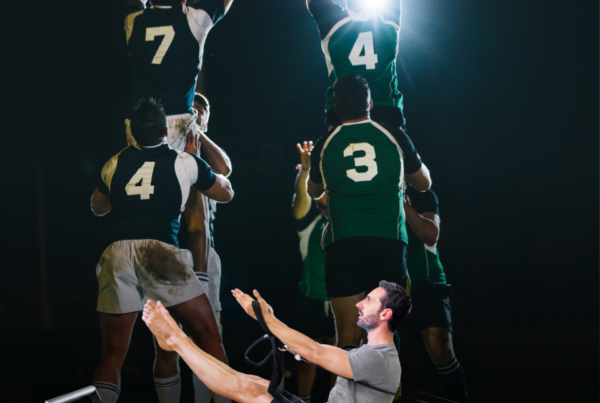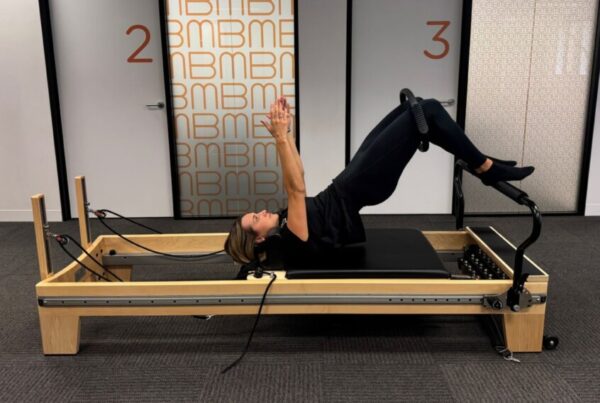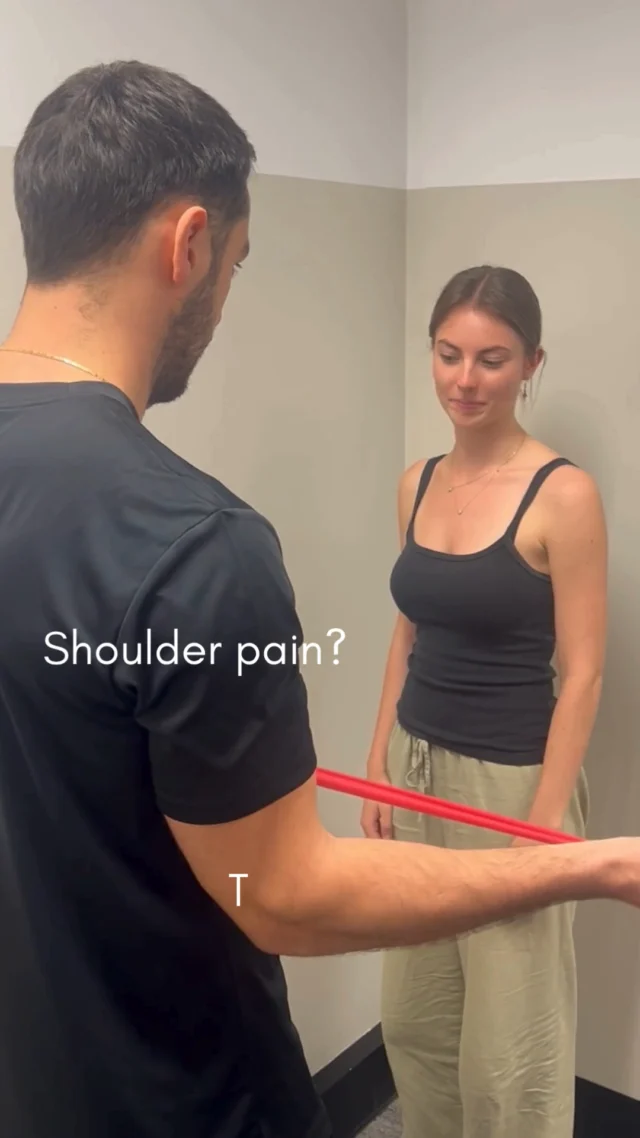
With just coming into winter, snow season is approaching where many of us will make our way to the snow fields with friends and family to ski and snowboard. While these sports offer excitement, fitness benefits, and stunning mountain scenery, they also come with a risk of injury.
In the clinic during snow season we see patients returning from the snow with aches, pains, and injuries that can range from minor sprains to more significant ligament tears. Understanding the most common injuries and how to prevent them can help you enjoy the slopes safely and spend more time skiing and riding.
Common Skiing Injuries
Skiing places significant demands on the lower body, particularly the knees. One of the most common injuries among skiers is damage to the anterior cruciate ligament (ACL), a key stabilising ligament within the knee.
ACL injuries often occur when a skier falls while twisting, especially if the ski does not release from the binding. Symptoms can include a popping sensation, immediate swelling, pain, and instability when walking.
Other common skiing injuries include:
- Medial collateral ligament (MCL) sprains
- Meniscus injuries
- Shoulder dislocations following falls
- Thumb ligament injuries, often referred to as “skier’s thumb”
- Muscle strains in the quadriceps, hamstrings, and calves
Common Snowboarding Injuries
Unlike skiing, snowboarding involves both feet fixed to a single board. As a result, snowboarders tend to experience more upper-body injuries, particularly when falling onto an outstretched hand.
Some of the most common snowboarding injuries include:
- Wrist fractures and sprains
- Shoulder injuries, including dislocations and rotator cuff strains
- Collarbone fractures
- Concussions and head injuries
- Ankle sprains, particularly in beginners
Falls are a normal part of learning to snowboard, which is why protective equipment and proper technique are especially important for new riders.
Why Do Snow Injuries Happen?
Several factors contribute to injury risk on the slopes.
Fatigue
Many people ski or snowboard for much longer than they would normally exercise at home. As fatigue sets in, balance, coordination, and reaction times decline, increasing the likelihood of falls and poor movement patterns.
Poor Conditioning
Snow sports require strength, endurance, balance, and agility. Without adequate preparation, muscles fatigue more quickly and joints may not be able to tolerate the demands placed upon them.
Technique Errors
Beginners are particularly vulnerable to injury because they are still developing movement skills and confidence. Lessons from qualified instructors can significantly reduce injury risk.
Equipment Issues
Incorrectly fitted boots, poorly adjusted bindings, or unsuitable equipment can increase the chance of injury. Having equipment professionally fitted and maintained is highly recommended.
Injury Prevention Tips
While injuries can never be eliminated, there are several steps that can significantly reduce your risk.
Prepare Before Your Trip
A pre-season exercise program focusing on lower-body strength, core stability, cardiovascular fitness, and balance can make a substantial difference.
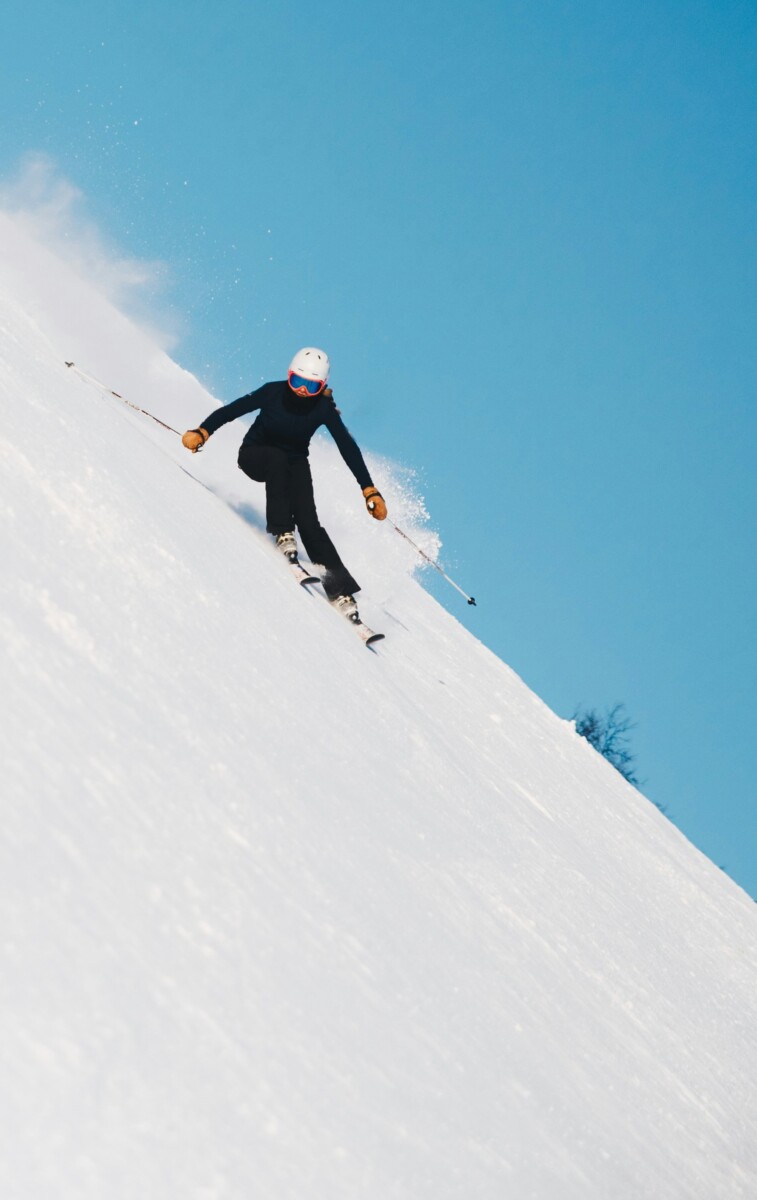 Key exercises may include:
- Squats
- Lunges
- Single-leg balance exercises
- Core exercises
- Cardiovascular training such as cycling, running, or swimming.
Warm Up
Many people head straight from the chairlift onto the slopes. Spending just five to ten minutes warming up can help prepare muscles and joints for activity.
Pace Yourself
Avoid the temptation to ski or snowboard all day without breaks. Regular rest periods help prevent fatigue-related injuries.
Wear Protective Equipment
Helmets are strongly recommended for both skiers and snowboarders. Snowboarders may also benefit from wrist guards, particularly beginners.
When Should You See a Physiotherapist?
Not every injury requires treatment, but persistent pain, swelling, instability, or reduced movement occurs, come into the clinic for an assessment and treatment.
We can help:
- Diagnose musculoskeletal injuries
- Reduce pain and swelling
- Restore strength and mobility
- Improve balance and movement control
- Guide a safe return to skiing, snowboarding, work, and sport
- Exercise program leading up to skiing/snowboarding season
Early assessment often leads to faster recovery and can help prevent minor injuries from becoming long-term problems.
FAQ
1: What are the most common skiing injuries?
The most common skiing injuries involve the knees, particularly ACL (anterior cruciate ligament) injuries. Skiers may also experience MCL sprains, meniscus injuries, shoulder dislocations, skier’s thumb, and muscle strains in the quadriceps, hamstrings, and calves. Many of these injuries occur during falls, twisting movements, or when fatigue affects balance and coordination.
2: How can I reduce my risk of injury while skiing or snowboarding?
You can reduce your injury risk by preparing before the snow season with strength, balance, and cardiovascular training. Warming up before hitting the slopes, taking regular breaks to avoid fatigue, wearing appropriate protective equipment such as helmets and wrist guards, and ensuring your equipment is properly fitted and maintained can all help prevent injuries. Taking lessons from a qualified instructor can also improve technique and safety.
3: When should I see a physiotherapist after a snow sports injury?
You should consider seeing a physiotherapist if you experience ongoing pain, swelling, joint instability, reduced movement, or difficulty returning to normal activities after skiing or snowboarding. Early assessment can help identify the extent of an injury, reduce pain and swelling, restore strength and mobility, and support a safe return to sport while reducing the risk of long-term complications.
Written by Michael Gavan, Physiotherapist at Bend + Mend, Martin Place Sydney.