





Neck pain and headaches often go hand in hand especially for anyone spending long hours at a desk or looking down at a screen. Whether it’s stiffness that builds through the day, a headache that seems to start at the base of your skull, or lingering pain after a jolt or whiplash injury, our Sydney CBD physiotherapists can help identify what’s driving it and get you moving more freely again.

man in office with tech neck

Tech neck & postural neck pain

Stiffness and ache from prolonged screen time, poor desk setup or long periods looking down at a phone.

woman with headache holding head

Cervicogenic headaches

Headaches that originate from tension or dysfunction in the neck, often felt at the base of the skull or behind the eyes.

woman with whiplash holding sore neck

Whiplash

Neck strain following a sudden jolt, commonly from a car accident, causing stiffness, pain and reduced range of motion.

woman with wry neck pain holding her neck

Wry neck (acute torticollis)

A sudden, sharp restriction in neck movement, often on waking, making it painful to turn the head.

Physiotherapist supporting a woman's head as she lies on a treatment table during a neck examination.

Nerve-related neck and arm pain

Irritation of a nerve in the neck causing pain, tingling or numbness that travels into the shoulder or arm.

man holding his neck in pain

Chronic neck stiffness

Ongoing tightness and reduced mobility, often related to posture, stress or long-standing muscular imbalance.

Our approach at Bend + Mend

Assessment of your neck, upper back and posture together, since they rarely act in isolation
Hands-on manual therapy to ease pain and restore movement
Practical advice on desk setup and daily habits that are quick to action
Clinical Pilates to build the postural strength that keeps symptoms from returning
Treatment paced around whether your pain is fresh (like whiplash) or long-standing

Frequently Asked Questions

Can physio help with headaches, or only neck pain?

Yes. Many headaches, particularly those felt at the back of the head or behind the eyes, originate from tension or restriction in the neck. Treating the neck directly often reduces headache frequency and intensity.

I sit at a desk all day is that really causing my neck pain?

It’s one of the most common causes we see. Sustained postures, screen height and how often you take breaks all place cumulative load on the neck and upper back. We’ll look at your setup as part of your assessment.

How long does whiplash take to settle?

It varies with severity, but many people see meaningful improvement within a few weeks of starting treatment. Early, gentle movement generally leads to better outcomes than prolonged rest.

Will I need to change my desk setup?

Often small adjustments to monitor height, chair position or break frequency can make a real difference alongside hands-on treatment. We’ll give you specific, practical changes rather than generic advice.

Book Your Neck and Headache Assessment Get to the source of your neck pain or headaches with a thorough assessment from our Sydney CBD team.

Ergonomic Workplace AssessmentsPhysiotherapySpinal Physiotherapy
July 28, 2026

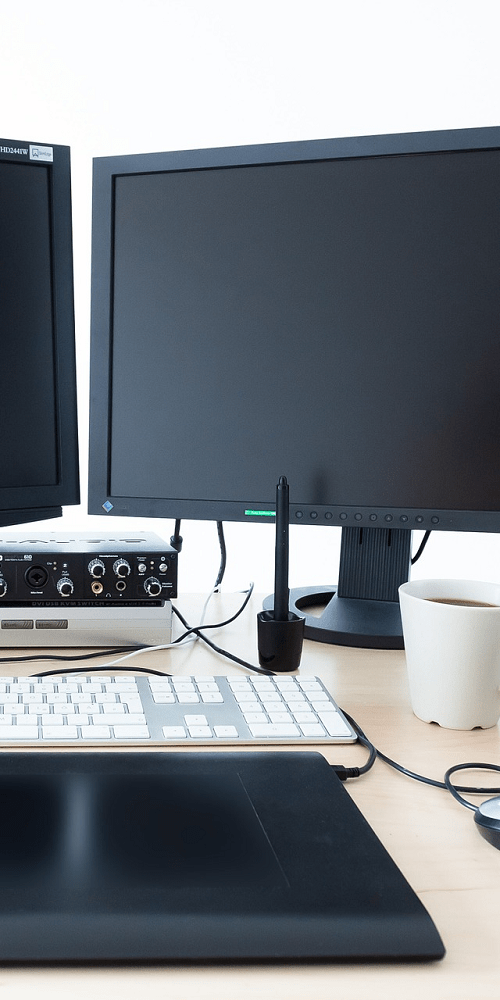
Desk Pain at Work: Why Short Breaks Matter

At Bend + Mend in Sydney’s CBD, we see this every day: pain and work often go hand in hand. As physiotherapists, we want people to stay healthy, stay at…
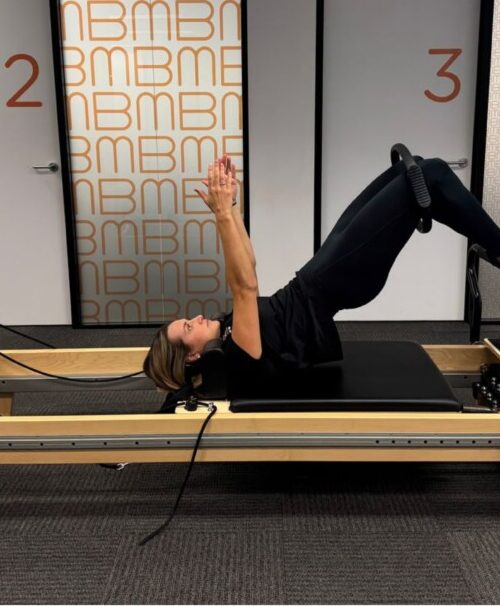
Physiotherapist guiding a client through glute strengthening Pilates exercises on the Reformer at Bend + Mend, Sydney CBDPhysiotherapyPilatesSpinal PhysiotherapySports Physiotherapy
July 22, 2026

Why Pilates is One of the Best Ways to Strengthen Your Glutes

The gluteal muscles are among the most powerful and important muscle groups in the body. They stabilise the pelvis and spine, generate power through the hips and protect the lower…
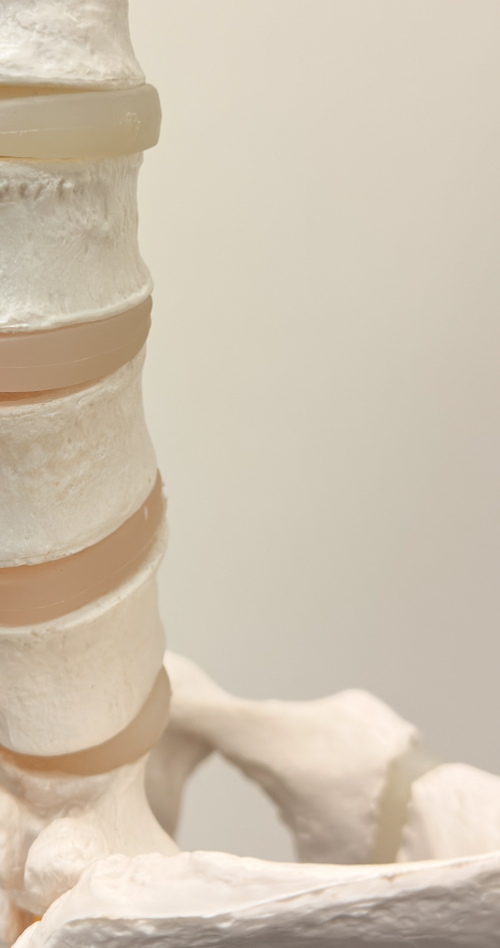
Medical model of the lower spine showing vertebrae, intervertebral discs, and orange nerve roots.PhysiotherapySpinal Physiotherapy
June 4, 2026

Slipped Disc vs Bulging Disc

Many people use the terms ‘slipped disc’ and ‘bulging disc’ interchangeably, but they are not the same thing. Both involve the discs in your spine, but what’s occurred is different,…