





Desk Pain at Work: Why Short Breaks Matter
At Bend + Mend in Sydney’s CBD, we see this every day: pain and work often go hand in hand. As physiotherapists, we want people to stay healthy, stay at…
Neck pain and headaches often go hand in hand especially for anyone spending long hours at a desk or looking down at a screen. Whether it’s stiffness that builds through the day, a headache that seems to start at the base of your skull, or lingering pain after a jolt or whiplash injury, our Sydney CBD physiotherapists can help identify what’s driving it and get you moving more freely again.
Yes. Many headaches, particularly those felt at the back of the head or behind the eyes, originate from tension or restriction in the neck. Treating the neck directly often reduces headache frequency and intensity.
Neck pain and migraines are closely linked, though they’re not quite the same thing. Tension and restriction in the upper neck can trigger or worsen migraine episodes for some people, and migraines themselves often bring neck stiffness along with them. If your migraines seem to follow a pattern with neck tension, treating the neck alongside your existing migraine management may help reduce how often or how severely they occur.
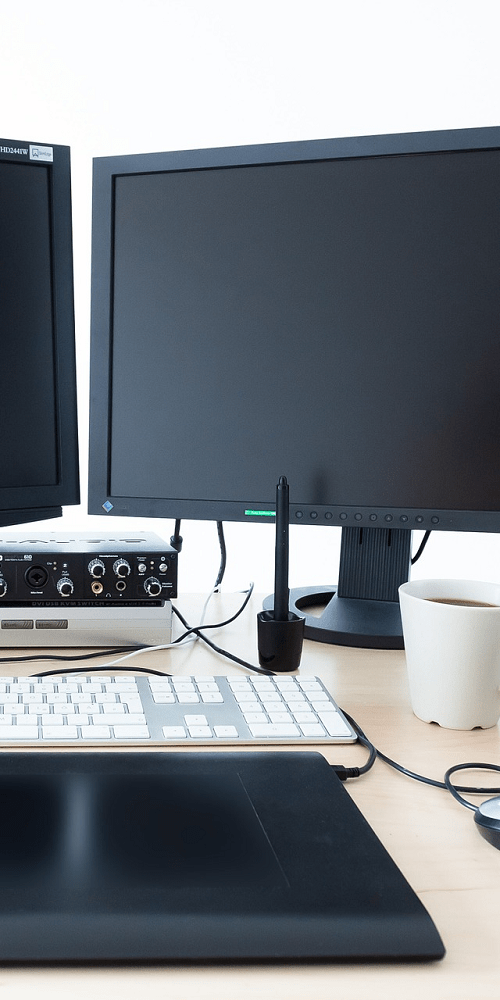
It’s one of the most common causes we see. Sustained postures, screen height and how often you take breaks all place cumulative load on the neck and upper back. We’ll look at your setup as part of your assessment.
It varies with severity, but many people see meaningful improvement within a few weeks of starting treatment. Early, gentle movement generally leads to better outcomes than prolonged rest.
Often small adjustments to monitor height, chair position or break frequency can make a real difference alongside hands-on treatment. We’ll give you specific, practical changes rather than generic advice.
© 2026 Bend + Mend: Physiotherapy and Pilates in Sydney's CBD. Site by CJWEB. Privacy Policy.